



Key Takeaways
- Food safety is about preventing foodborne illness by ensuring food is handled, prepared, stored, and served safely at every stage.
- In Australia, food safety is a legal requirement, governed by national standards and state-based legislation across all hospitality and food service businesses.
- Poor food safety can lead to serious consequences, including food poisoning, allergic reactions, legal penalties, and damage to a business’s reputation.
- Food safety risks come from biological, physical, chemical, and allergen hazards, often caused by everyday mistakes like poor hygiene or incorrect storage.
If you work in hospitality or food service, you’ve probably heard the term ‘food safety’ countless times. But what is food safety really about, and why does it matter so much?
Food safety is the process of handling, preparing, storing, and serving food in ways that prevent contamination and reduce the risk of foodborne illness. It includes hygiene practices, temperature control, allergen management, and safe food handling procedures designed to ensure food is safe to eat.
Basically, food safety is about ensuring people don’t get sick from the food they eat. It involves the safe handling, preparation, storage, and serving of food to reduce the risk of contamination and foodborne illness.
In Australia, food safety is a legal requirement and a daily responsibility in every kitchen, café, restaurant, catering operation, and food service environment. It exists to protect public health, maintain hygiene standards, and ensure that food served to customers is safe to consume.

What Is Food Safety?
Food safety refers to the practices and procedures used to ensure that food is safe to eat.
This includes everything that happens behind the scenes in a kitchen or food business, from storing ingredients at the correct temperature to preventing cross-contamination, maintaining personal hygiene, cleaning and sanitising equipment, and ensuring food is cooked properly.
Food becomes unsafe when it is exposed to harmful bacteria, viruses, chemicals, allergens, or physical contaminants. These risks can show up at any stage of food handling, often without being visible to the naked eye.
That is why food safety systems exist. They are designed to prevent contamination before it happens, rather than reacting after someone gets sick.
Why Food Safety Matters in Australia
Food safety is taken very seriously in Australia because foodborne illness can have significant health, financial, and social impacts.
Each year, thousands of people experience food-related illness caused by improper handling or contamination. While many cases are mild, some can be severe or even life-threatening, particularly for young children, older adults, pregnant people, and those with weakened immune systems.
Food Standards Australia New Zealand notes there are around 4.7 million cases of foodborne illness in Australia each year and unsafe food causes about 47,900 hospitalisations and 38 deaths.
Food safety in hospitality matters because it helps protect public health, maintain trust in the food industry, and ensure that businesses meet strict legal obligations.
For hospitality businesses, food safety is not optional. It is a fundamental part of operating responsibly and legally in Australia.

Common Food Safety Risks
Food safety risks generally fall into four main categories: biological, physical, chemical, and allergen-related risks.
Biological risks are the most common and include bacteria, viruses, and parasites such as Salmonella, E. coli, Listeria, and Norovirus. These often result from poor hygiene, unsafe temperatures, or cross-contamination.
Physical hazards refer to foreign objects that accidentally enter food, such as glass, metal, plastic, or hair.
Chemical hazards occur when food is exposed to harmful substances like cleaning agents, pesticides, or incorrect chemical use in food preparation areas.
Allergen hazards involve the presence of common allergens such as peanuts, eggs, milk, soy, wheat, seafood, sesame, and tree nuts. Even small traces can trigger serious allergic reactions in sensitive individuals.
How Food Becomes Unsafe
Food does not usually become unsafe because of one major mistake. More often, it happens through small everyday errors that add up.
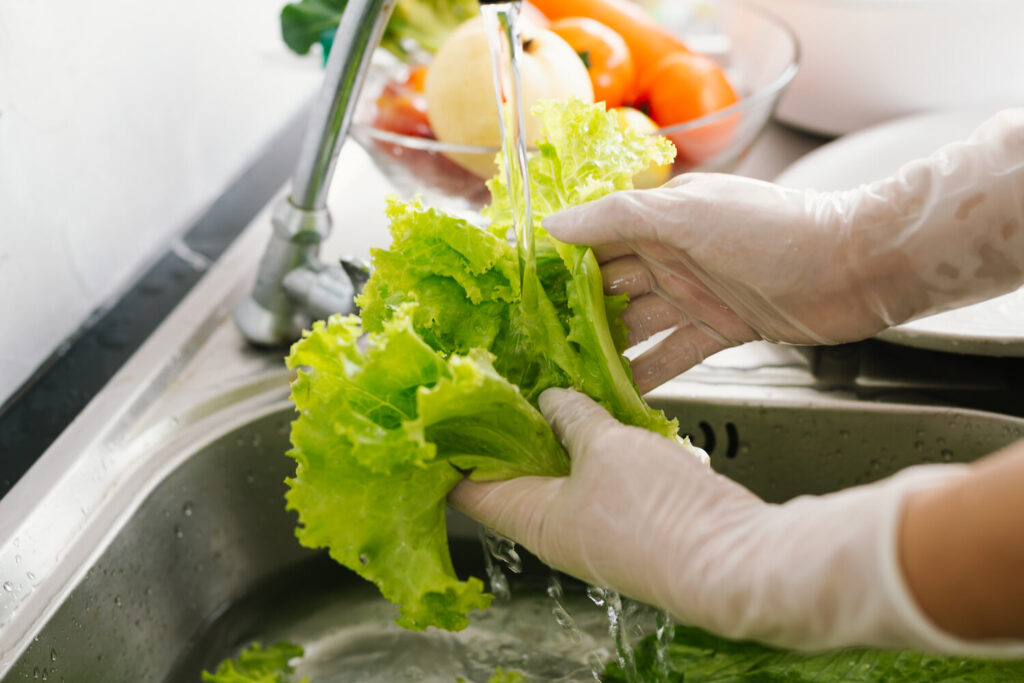
Cross-contamination is one of the most common causes. This occurs when harmful bacteria or allergens transfer from one surface or food item to another, often through shared utensils, chopping boards, or improper storage.
Temperature control is another major factor. You must keep food out of the “danger zone” where bacteria grow quickly. Leaving food sitting out too long, undercooking meals, or cooling food incorrectly can all increase risk.
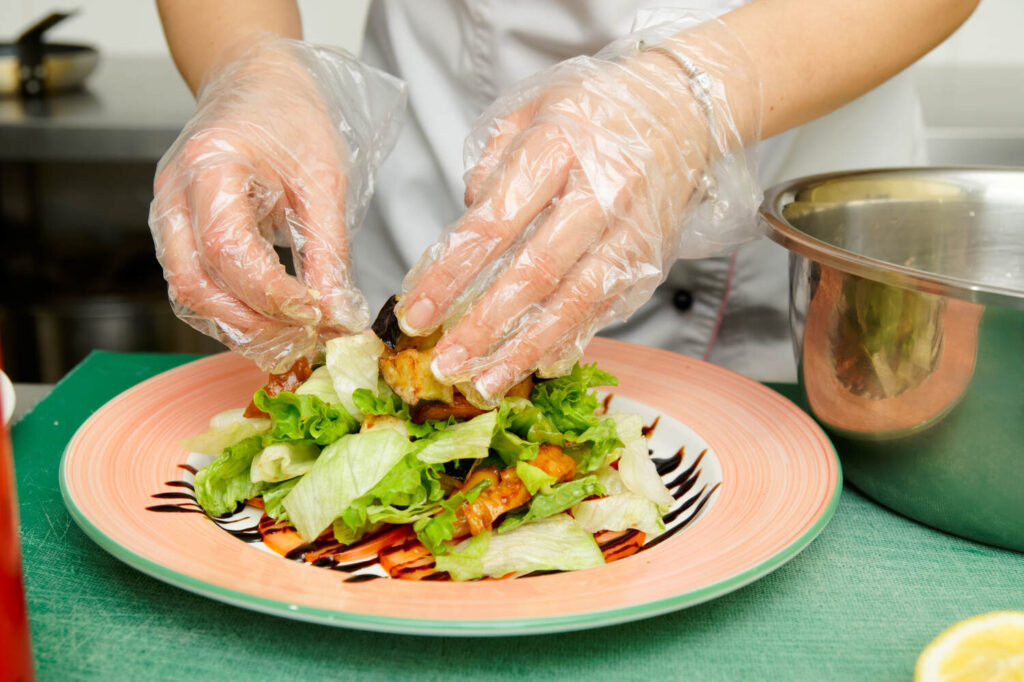
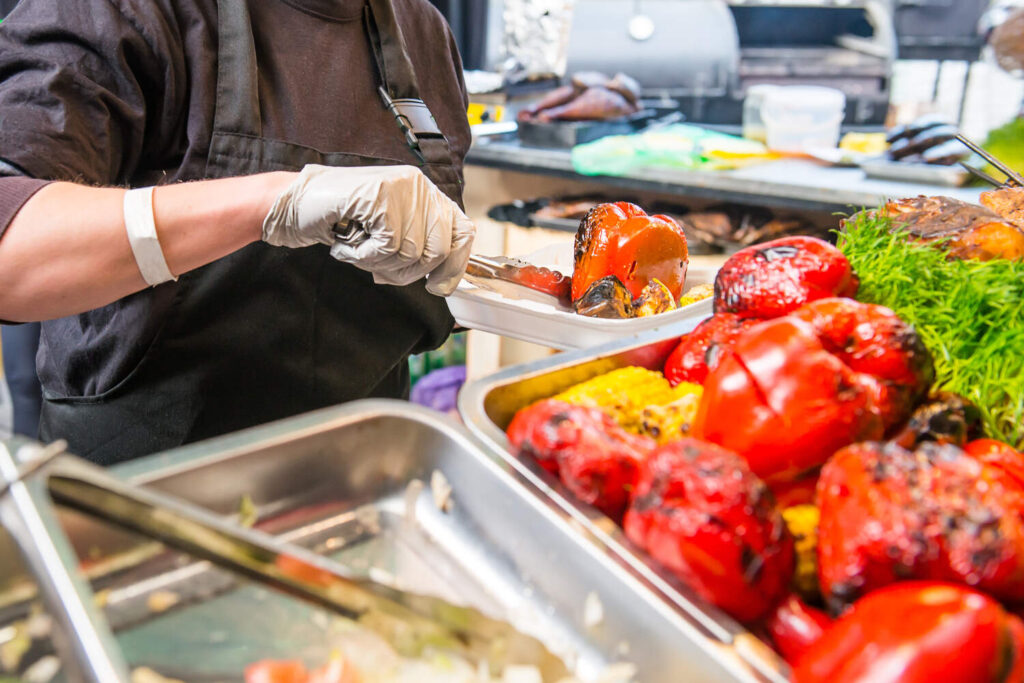
Poor personal hygiene also plays a major role. Unwashed hands, working while unwell, or improper glove use can easily spread contamination in busy kitchens.
Finally, inadequate cleaning and sanitising can allow bacteria to survive on surfaces, equipment, and utensils long after they have been used.
Food Safety Laws and Standards in Australia
In Australia, food safety is governed by a combination of national standards and state-based regulations. The main framework is the Australia New Zealand Food Standards Code, which outlines the requirements for safe food handling, storage, preparation, and labelling.
While the national standards apply across the country, each state and territory has its own legislation that governs how food safety laws are enforced.
State and Territory Food Safety Legislation
- Queensland: Food Act 2006 (QLD)
- New South Wales: Food Act 2003 (NSW)
- Victoria: Food Act 1984 (VIC)
- South Australia: Food Act 2001 (SA)
- Western Australia: Food Act 2008 (WA)
- Tasmania: Food Act 2003 (TAS)
- Australian Capital Territory: Food Act 2001 (ACT)
- Northern Territory: Food Act 2004 (NT)
Local councils and food authorities are responsible for enforcing these laws through inspections, licensing, audits, and compliance checks. Depending on the type of food business, operators may also be required to appoint trained food safety supervisors and maintain documented food safety programs.
Although the legal framework differs slightly between jurisdictions, the overall goal remains the same: ensuring food sold and served in Australia is safe for consumers and prepared according to recognised food safety standards.
Why Food Safety Is Critical in Hospitality
Food safety is especially important in hospitality because of the fast-paced and high-pressure nature of the industry. In kitchens and service areas, food is constantly being prepared, handled, and served by multiple staff members. This increases the chance of errors if safe systems are not followed consistently. That’s why food safety supervisors are so important in this industry.
Customers expect that food served in restaurants, cafés, hotels, and catering businesses is safe to eat. It’s catastrophic for those business when that trust is broken.
A single food safety incident can lead to customer illness, negative reviews, reputational damage, and in some cases, business closure or legal action.
For this reason, food safety is a key part of delivering quality service and maintaining a successful hospitality business. That’s the number one reason why all workers need a Food Handler certificate.
Who Is Responsible for Food Safety?
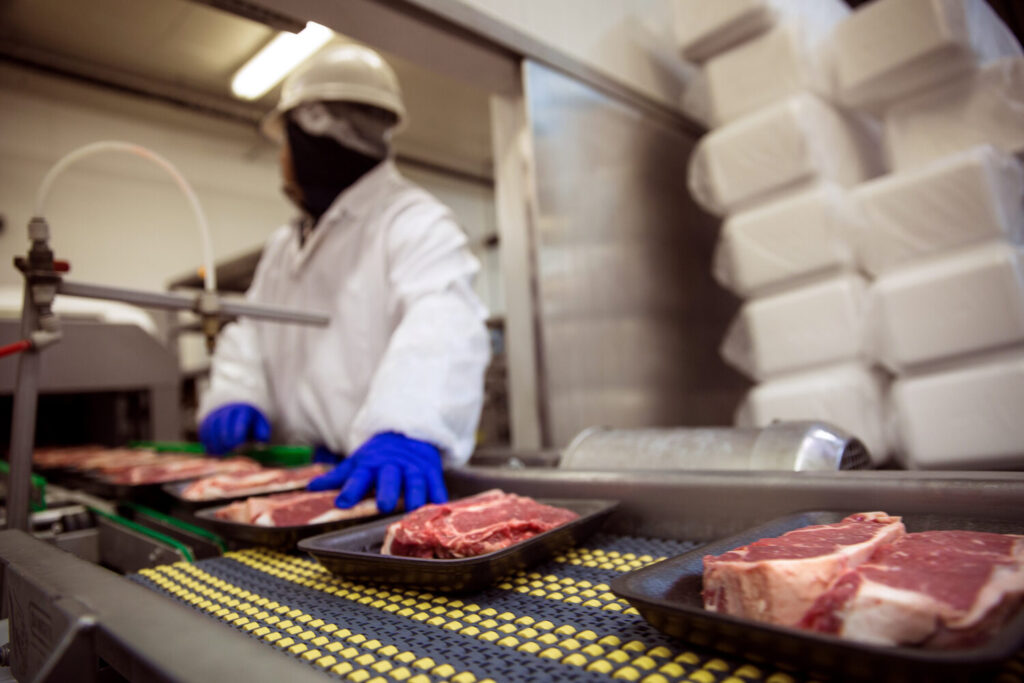
Food safety is everyone’s responsibility in a hospitality environment. It is not limited to chefs or managers. Anyone who handles food in any capacity plays a role, including kitchen hands, servers, bar staff, cleaners, and delivery personnel.
Even small actions, such as washing hands properly, storing food correctly, or checking temperatures, contribute to overall safety. When every team member follows correct procedures, the risk of contamination is significantly reduced.
How Food Safety Training Helps
Food safety training helps hospitality workers understand how to handle food safely in real-world environments. It covers essential topics such as hygiene practices, temperature control, allergen awareness, cleaning procedures, and safe food storage.
Training builds confidence, reduces mistakes, and helps workers apply safe food handling practices consistently across hospitality environments. It also supports compliance with Australian food safety regulations, which is essential for anyone working in the industry.
For new hospitality workers, food safety training is often one of the first and most important steps in building a career in food service.
Frequently Asked Questions
Why is food safety important in Australia?
Food safety matters because it protects people from getting sick, plain and simple. Australia has strict food safety laws in place, and food businesses are legally required to follow them. Apart from the legal side, good food safety practices keep your customers healthy, protect your reputation, and build trust in your business. One outbreak of foodborne illness can wipe out years of work overnight.
What are the main food safety hazards?
There are four main types of food safety hazards you need to know about. Biological risks include bacteria, viruses, and parasites that can contaminate food and cause serious illness. Physical hazards are foreign objects that end up in food, like glass, metal fragments, or bone.
Chemical hazards cover things like cleaning products, pesticides, or food additives used incorrectly. Then there are allergen hazards, which involve common allergens like peanuts, milk, eggs, wheat, and seafood. Any one of these can cause real harm if not properly managed.
What causes food contamination?
Food contamination rarely happens by accident in one single way. It’s usually the result of a few bad habits adding up. Cross-contamination is one of the biggest culprits, but poor personal hygiene, incorrect storage temperatures, undercooking, and exposure to chemicals or allergens all play a role. Even something as simple as not washing your hands at the right time can put food at risk.
What is cross-contamination in food safety?
Cross-contamination is when harmful bacteria, viruses, or allergens move from one surface, food, or piece of equipment to another. It happens more often than you’d think. Using the same chopping board for raw chicken and salad greens, or forgetting to change gloves between tasks, are classic examples. The danger is that you often can’t see it happening, which makes it one of the harder risks to catch and control.
Who is responsible for food safety in a hospitality business?
Everyone is. Food safety isn’t just the head chef’s job or something management handles in the background. Every person who touches food, prepares it, serves it, or works in the kitchen has a role to play. From the kitchen hand washing produce to the manager overseeing storage procedures, it takes the whole team working together consistently to keep food safe.
What happens if food safety procedures are not followed?
The consequences can be serious. On the human side, customers can end up with foodborne illness or a life-threatening allergic reaction.
On the business side, you’re looking at customer complaints, negative reviews, legal penalties, heavy fines, and potential closure. Reputational damage is often the hardest thing to recover from. It can take years to rebuild trust after a food safety incident, and some businesses never fully do.
Enrol in a Hospitality Course Near You
If this got you thinking about a career in hospitality, that’s your sign to do something about it. HCA has courses designed for real people with real schedules, whether you’re just starting out or looking to move up in the industry.
You’ll get practical, industry-relevant training that actually prepares you for the job. Just the skills employers are looking for right now.
Ready to take the next step? Browse our courses at hca.edu.au and find one near you.