


Key Takeaways
- You can get a hospitality job with no experience in Australia by completing the right certificates, creating a strong resume and applying for entry-level hospitality roles.
- An RSA certificate is often required for hospitality jobs involving alcohol service, while an RCG or RSG certificate may be needed for certain gaming roles.
- Hospitality employers value attitude, reliability and customer service skills as much as previous experience.
- The best way to find your first hospitality job is to apply consistently through online job sites, local venues and personal networks.
Every year, thousands of Australians land their first job in hospitality. The industry hires more first-timers than almost any other in Australia. Walk into most bars, restaurants, cafes or hotels on a busy Friday night and you’ll find at least a few people who had never worked a shift in their life six months ago. That’s just how the industry works. High demand, fast-paced environments, and managers who care far more about how reliable and easy to work with you are than what your resume looks like.
You don’t need a long work history to get started. You need the right certifications, a decent resume and the discipline to apply consistently. Do those three things and your first hospitality job is closer than you think.
Here’s how to make it happen.
How to Get a Hospitality Job With No Experience in Australia
Hospitality is one of the few industries in Australia where your attitude genuinely matters more than your resume. Bars, restaurants, cafes and hotels are always hiring, staff turnover is high, and most employers know that the best way to learn the job is on the job.
You don’t need years of experience to get started. You need the right certifications, a bit of preparation, and the confidence to put yourself out there. Here’s exactly what to do.
Step 1: Get the Hospitality Certificates You Need
Before you send out a single job application, make sure you have any licences or certificates required for the type of hospitality work you want to do.
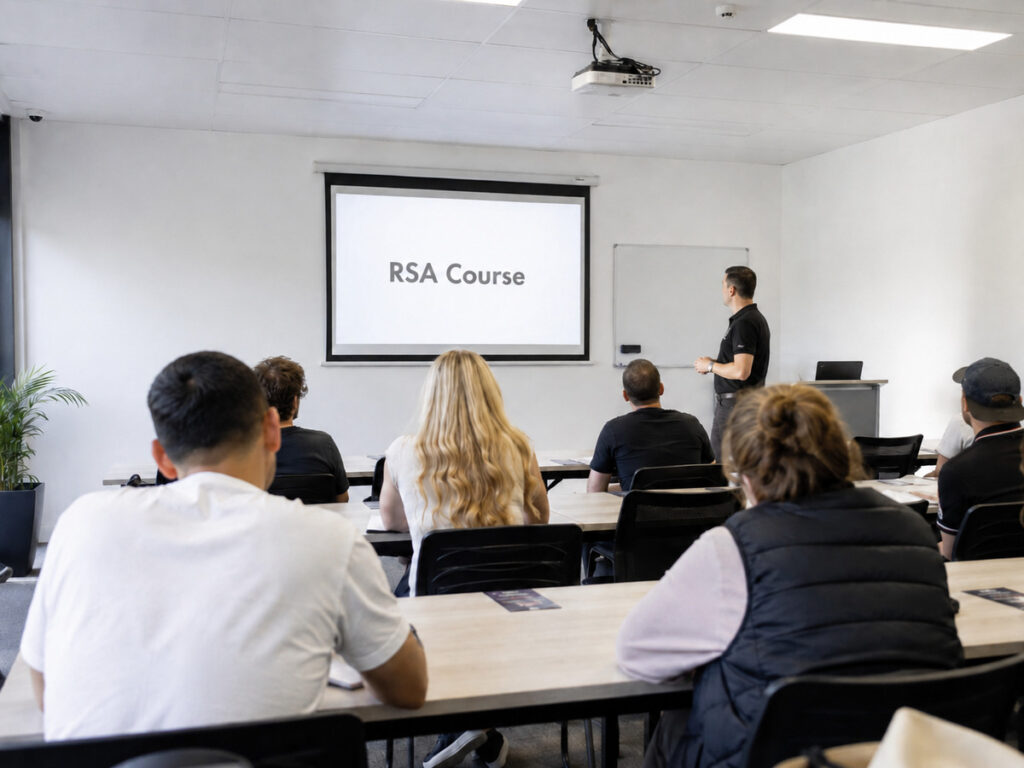
The most important one is the Responsible Service of Alcohol (RSA) certificate. If your job involves serving or selling alcohol, you’ll usually need a valid RSA certificate before you can start work. Many pubs, bars, clubs and restaurants prefer applicants who already have an RSA certificate, as it means they can start work sooner.
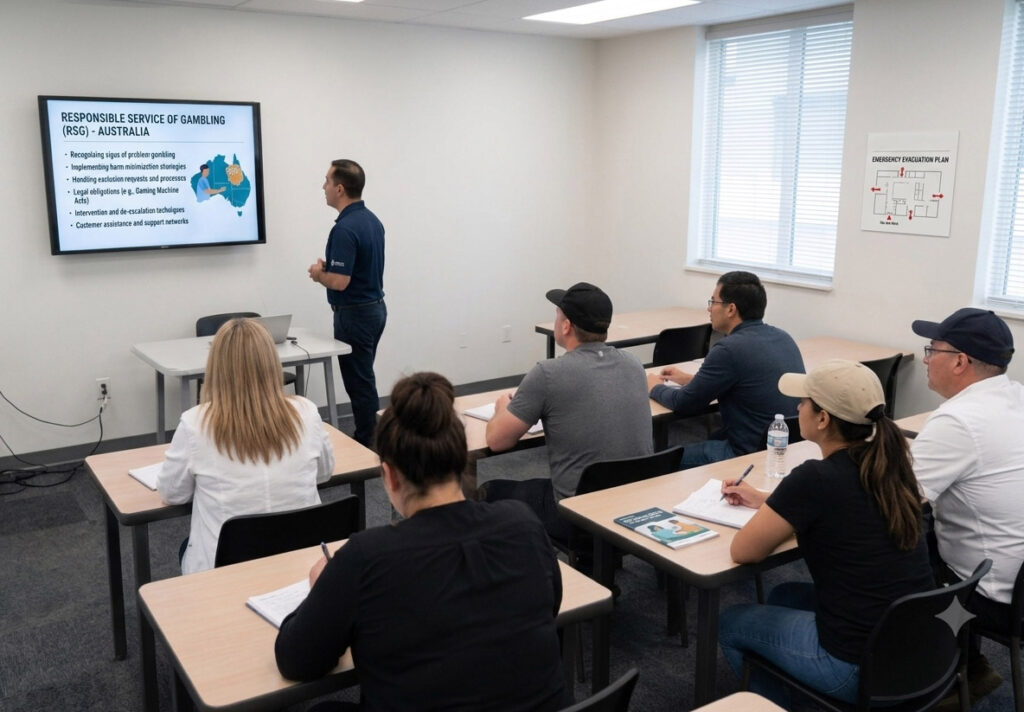
If you’re interested in working in venues with gaming machines, such as licensed clubs or hotels, you may also need a Responsible Conduct of Gambling (RCG) or Responsible Service of Gambling (RSG) certificate, depending on your state or territory.
Depending on the role, other courses such as Food Safety or First Aid can also strengthen your application, although they’re usually not essential for entry-level positions.
While these certificates don’t guarantee you’ll get a job, they do show employers you’re serious about working in the industry. If they’re choosing between two applicants with no experience, the person who already has the certificates required for the role will often have the advantage.
For example, someone applying for a bar role with an RSA already completed may be able to start sooner than another applicant who still needs to complete the course.
Step 2: Create a Resume that Highlights Your Strengths
One of the biggest mistakes first-time job seekers make is thinking they have nothing to put on their resume.
The truth is, employers know everyone has to start somewhere.
If you’ve worked in retail, volunteered at community events, played team sports or even helped organise school activities, you’ve probably developed skills that hospitality employers value.
Focus on showing that you’re reliable, friendly and comfortable working with people. Customer service, teamwork, communication and time management are all highly transferable skills that can make a strong impression, even if you’ve never worked in a restaurant before.
Keep your resume clear and easy to read. Include your education, any hospitality-related certificates, previous employment (even if it’s in another industry), volunteer experience and a couple of referees if possible.
A simple, well-presented one-page resume is often far more effective than a long document filled with unnecessary information.
Before you Apply for your First Hospitality Job
Before sending out applications, make sure you have everything ready. Having these basics prepared can help you apply quickly and make a stronger impression on employers. Make sure you have:
- A professional resume: Keep it clear, easy to read and focused on your skills, reliability and customer service experience.
- Relevant certificates: Have your RSA, RCG/RSG or other required training completed if your chosen role requires it.
- Your availability: Be clear about the days and times you can work, including evenings, weekends or public holidays.
- References: Prepare contact details for people who can speak about your reliability and work ethic.
- Appropriate interview clothing: Hospitality employers often value presentation, so dress neatly and professionally when meeting with a potential employer.
Once you’re prepared, you can start applying for entry-level hospitality jobs with confidence.

Step 3: Apply for Entry-level Hospitality Jobs
Many people make the mistake of waiting until they feel “qualified enough” before applying. In hospitality, that’s usually unnecessary.
Restaurants, cafés, pubs and hotels regularly hire people with little or no experience because staff turnover is relatively high and many businesses provide on-the-job training.
Instead of applying for one or two positions and hoping for the best, cast a wider net. Apply for a variety of entry-level roles and don’t be discouraged if some advertisements ask for experience. Employers often advertise for their ideal candidate but are still willing to interview enthusiastic applicants who demonstrate the right attitude.
It’s also worth remembering that hospitality managers often hire based on personality. Someone who is friendly, punctual and eager to learn can be far more appealing than someone with years of experience but little enthusiasm. The more applications you submit, the greater your chances of landing an interview.

Step 4: Be Proactive with Your Job Search
Finding your first hospitality job often requires more than submitting a few online applications and waiting for a response.
While job websites are a useful starting point, many hospitality opportunities are found by being proactive. Smaller cafés, restaurants, pubs and local venues often hire based on availability and personality, rather than through lengthy recruitment processes.
Don’t be afraid to introduce yourself in person. Visiting a venue with a neatly presented resume can still be an effective way to make a good first impression. Choose a quieter time of day, such as mid-morning or mid-afternoon, dress neatly and politely ask whether the manager is available.
Even if there isn’t a position available immediately, leaving your details with a positive attitude can mean you’re considered when a vacancy opens up.
It’s also worth using your network. Let friends, family and former colleagues know you’re looking for hospitality work, as many jobs are filled through word of mouth.
The key is consistency. Apply regularly, follow up when appropriate and keep an open mind about entry-level roles that can help you gain valuable experience.

Step 5: Make a Great Impression at the Interview
Hospitality interviews are usually more relaxed than interviews for corporate jobs, but preparation still matters.
Employers are trying to work out whether you’d be a good fit for their team. They’re looking for someone who can communicate well with customers, stay calm during busy periods and turn up on time for every shift.
Before your interview, spend a few minutes learning about the venue. Have a look at their menu, read a little about the business and think about why you’d like to work there.
When answering questions, be honest if you don’t have experience. Instead of apologising for it, focus on what you can offer. Talk about your willingness to learn, your work ethic and any situations where you’ve demonstrated responsibility or worked well as part of a team.
Confidence, enthusiasm and a positive attitude often leave a stronger impression than having years of hospitality experience.

7 Hospitality Jobs You Can Get With No Experience
One of the biggest advantages of starting a career in hospitality is the number of entry-level roles available. Many employers are willing to train new staff, making hospitality a great option for school leavers, students, career changers and anyone looking to enter the workforce.
Often these positions are also available as casual hospitality jobs, making them popular options for students, backpackers and people looking for flexible work.
Here are seven hospitality jobs that are often suitable for people with little or no previous experience.
1. Food Runner
Food runners help keep restaurant service running smoothly by delivering meals from the kitchen to customers, assisting wait staff and ensuring dishes reach tables quickly.
This role is a great introduction to the hospitality industry because it helps you learn how restaurants operate, develop teamwork skills and gain experience in a busy service environment.

2. Waiter or Waitress
Wait staff are responsible for greeting customers, taking orders, serving food and drinks, clearing tables and providing a positive dining experience.
While customer service skills are important, many restaurants provide training for new employees. Working as a waiter or waitress can also be a pathway into senior roles such as supervisor or restaurant manager.

3. Bar Attendant
Bar attendants prepare and serve alcoholic and non-alcoholic drinks, take customer orders, process payments and maintain a clean and organised bar area.
You’ll generally need a Responsible Service of Alcohol (RSA) certificate before working in a role that involves serving alcohol. Many venues provide training on their specific systems, drink menus and procedures.

4. Café All-rounder
Café all-rounders perform a variety of tasks, including taking customer orders, preparing simple food, clearing tables, cleaning and assisting with coffee preparation.
This is a popular entry-level hospitality role because no two shifts are exactly the same. It suits people who enjoy interacting with customers and working as part of a small team.

5. Kitchen Hand
Kitchen hands support chefs and cooks by washing dishes, preparing ingredients, cleaning work areas and helping keep the kitchen organised.
This role provides valuable experience in a commercial kitchen and can be a stepping stone towards becoming a chef through further training or an apprenticeship.

6. Gaming Attendant
Gaming attendants work in licensed clubs, pubs and hotels with gaming facilities. Their responsibilities may include assisting customers, monitoring gaming areas, providing customer service and ensuring venue rules are followed.
Requirements vary between states and territories, but you’ll generally need an RSA and may also need a Responsible Conduct of Gambling (RCG) or Responsible Service of Gambling (RSG) certificate.

7. Hotel Receptionist
Hotel receptionists welcome guests, manage bookings, answer enquiries, process payments and provide information about hotel services and local attractions.
Although previous experience can be helpful, many larger hotels offer structured training programs for entry-level employees. Strong communication, organisation and customer service skills are often the most important qualities.

Frequently Asked Questions
How long does it usually take to find a hospitality job with no experience?
Hospitality is one of the faster industries to break into. Some people land a role within a week or two of applying, especially if they already have their RSA certificate and are flexible with availability.
Others take a few weeks if they’re being selective about the type of role or location. Applying to multiple venues at once and being willing to start in a junior position significantly speeds things up.
Can I get a hospitality job if I'm under 18?
Many entry-level hospitality roles are suitable for people under 18, including food runner, café all-rounder, kitchen hand and hotel receptionist. The main restriction is serving alcohol.
Most states require you to be 18 or older to serve or sell alcohol, though some states allow supervised service for those aged 16 and over. Check the rules in your state before applying for bar work.
Can I work in hospitality in Australia on a working holiday visa?
Hospitality is one of the most common industries for working holiday visa holders in Australia. Bars, restaurants, cafes and hotels regularly hire people on working holiday visas for casual and part-time roles. Just make sure you have a Tax File Number and the relevant certificates like your RSA before applying.
What's the pay like for entry-level hospitality jobs?
Entry-level hospitality roles are covered by the Hospitality Industry General Award in Australia, which sets minimum pay rates.
As of 2026, the national minimum wage applies as a baseline, but most hospitality workers receive penalty rates for evening, weekend and public holiday shifts, which can significantly boost your weekly earnings even in a junior role.
Do I need to speak perfect English to work in hospitality?
You don’t need perfect English, but clear communication is important since most hospitality roles involve regular interaction with customers and teammates.
Many venues in major cities are multicultural workplaces and regularly hire people with English as a second language. Kitchen hand and food runner roles tend to require less customer-facing communication, making them a good starting point if you’re still building your confidence with English.
Enrol in a Hospitality Course Near You
If this got you thinking about a career in hospitality, that’s your sign to do something about it. HCA has courses designed for real people with real schedules, whether you’re just starting out or looking to move up in the industry.
You’ll get practical, industry-relevant training that actually prepares you for the job. Just the skills employers are looking for right now. Ready to take the next step? Browse our courses at hca.edu.au and find one near you.