



Key Takeaways
- RSA jobs in Australia offer a fast entry into the workforce, with many roles available across bars, restaurants, events, hotels, and retail liquor stores.
- Having an RSA certificate is a legal requirement, meaning you can’t serve or sell alcohol without it in most hospitality roles.
- There’s a wide variety of RSA jobs available, from entry-level positions like bartending and wait staff to more advanced roles in supervision and venue management.
- RSA jobs are in high demand across Australia, driven by the hospitality, tourism, and events industries, with opportunities available year-round.
- Getting your RSA is quick and affordable, making it one of the easiest ways to become job-ready and start applying for hospitality roles immediately.
In the hospitality industry, responsible service of alcohol underpins almost every customer-facing role. Whether you’re pouring drinks behind a bar, serving tables in a restaurant, or working at a major event, the ability to serve alcohol safely and legally isn’t optional, it’s a requirement. That’s where a Responsible Service of Alcohol (RSA) certificate comes in.
If you’re in search of RSA jobs in Australia, the good news is there’s a wide range of opportunities available, starting with entry-level roles like bartending and wait staff, and extending through to events, hotels, and even management positions as you gain experience.
With that in mind, here’s a guide to 15 jobs you can get with an RSA certificate.
What Are RSA Jobs?
Responsible Service of Alcohol (RSA) jobs are any roles that involve the sale, service, or supply of alcohol in licensed venues.
That could mean working behind a bar, serving drinks in a restaurant, selling alcohol in a retail setting, or helping run a large-scale event. In most states across Australia, you must hold a valid RSA certificate before you can legally do this work.
Because of that, employers often list RSA as a non-negotiable requirement. If you already have it, you’re immediately more employable, and often able to start work straight away.
15 RSA Jobs You Can Get in Australia
Once you’ve got your RSA, you’ll find there’s more variety than you might expect. While bartending is the obvious starting point, it’s far from the only option.
Here’s what RSA jobs can look like in practice.

Bartender / Bar Attendant
Salary Range in Australia: $55,000 – $65,000/year (casual rates typically $28–$35/hr including penalties)
This is one of the most common RSA jobs and often the first role people step into. As a bartender or bar attendant, you’ll be serving drinks, taking orders, handling payments, and keeping the bar running smoothly.
Just as importantly, you’ll be responsible for checking IDs and recognising when to refuse service, which is something your RSA training prepares you for. The role can range from a quiet local pub to a high-volume nightclub, so the environment varies a lot depending on where you work.
Speed matters here, because being able to handle multiple orders at once without losing track is a skill you’ll build fast. Most bartending roles are casual or part-time, which makes them a solid fit if you’re studying or juggling other commitments. Tips aren’t as standard in Australia as they are overseas, but they do happen, especially at busier venues.

Waiter / Waitress (Licensed Venues)
Salary Range in Australia: $50,000 – $62,000/year (casual rates typically $27-$33/hr including penalties)
If a venue serves alcohol, floor staff usually need an RSA. As a waiter, you’ll take food and drink orders, serve alcohol to tables, and keep an eye on responsible consumption while managing a busy service.
You need to read the table, know the menu, and handle the pace when things get hectic, and they will. You’re also the first point of contact if something goes wrong, whether that’s a wrong order or a customer who’s had one too many.
In licensed restaurants and venues, your RSA knowledge is genuinely put to use. Penalty rates on weekends and public holidays can bump up your weekly pay significantly, which is a big reason why hospitality attracts so many people looking for flexible income.

Event Staff
Salary Range in Australia: $55,000 – $68,000/year (casual rates typically $30-$40/hr with event and penalty loadings)
From festivals and concerts to weddings and corporate functions, event work is a huge part of the RSA job market. These roles are often flexible and shift-based, making them ideal if you’re looking for casual or part-time work.
Event shifts can be long (often 8 to 12 hours on your feet) but the pay tends to reflect that, especially when you factor in weekend and public holiday rates. You might be pouring wine at a corporate gala one weekend and working a beer tent at a music festival the next.
The variety is part of the appeal. That is because many events are one-off or seasonal, this kind of work is great for building your resume quickly. Agencies that specialise in event staffing are worth signing up with, as they can keep a steady flow of shifts coming your way.

Bottle Shop / Liquor Store Assistant
Salary Range in Australia: $50,000 – $60,000/year (casual rates typically $26-$32/hr including penalties)
Retail roles in liquor stores also require RSA certification. You’ll help customers choose products, process sales, and check identification to ensure alcohol is sold legally and responsibly.
It’s a more relaxed pace than bar work, which suits a lot of people. You’ll get to know a wide range of products (wines, spirits, craft beers) and if you’re genuinely into that stuff, it’s a pretty enjoyable way to spend your shift. Product knowledge goes a long way here; customers often ask for recommendations, and being able to point them in the right direction builds trust.
These roles are common at major chains like Dan Murphy’s and BWS, both of which hire regularly and offer reasonable progression for people who want to move into supervisory positions.

Hotel Bar Staff
Salary Range in Australia: $57,000 – $68,000/year (casual rates typically $28-$36/hr including penalties)
Hotels often have bars, restaurants, and room service, all of which involve alcohol service. These bar staff roles tend to offer more structured environments and can lead to long-term career opportunities.
Working in a hotel bar usually means dealing with a more varied crowd. For instance, business travellers, tourists, locals, and event guests can all come through in the same evening. The expectations around presentation and service standards are often higher than in a local pub, but that also means more consistent training and support.
Hotels frequently offer internal progression, so if you’re keen to build a longer-term career in hospitality, starting in a hotel bar is a smart move. Larger hotel chains also offer the benefit of transferable employment, meaning you can move cities or even countries within the same brand.
Cocktail Server / Floor Staff
Salary Range in Australia: $55,000 – $67,000/year (casual rates typically $28-$36/hr including penalties)
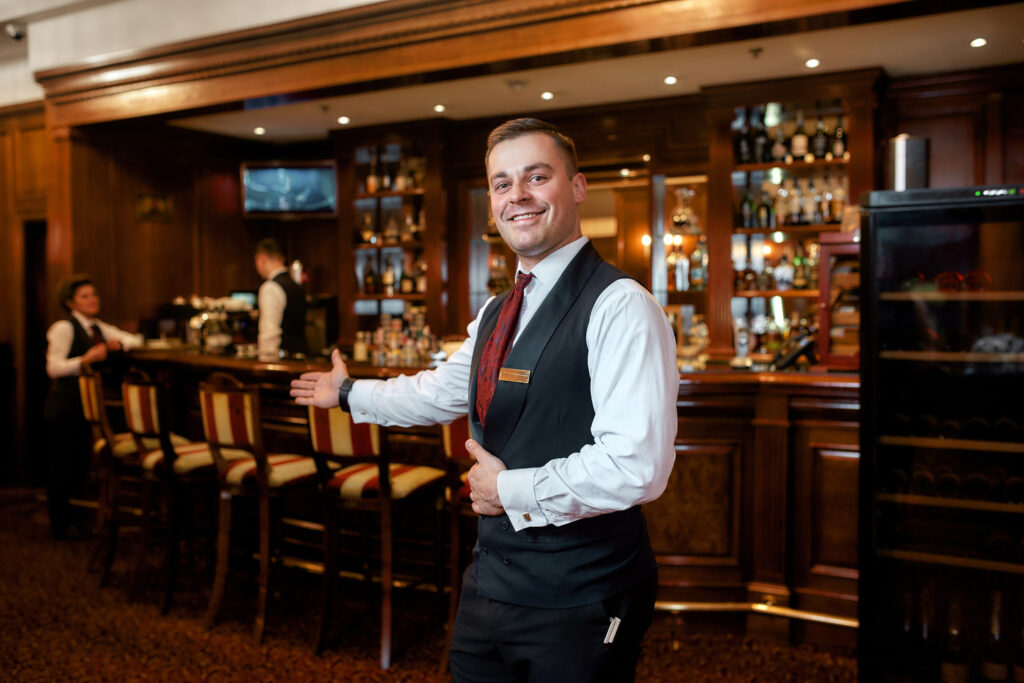
In busier or more premium venues, floor staff may be serving drinks directly to tables rather than working behind the bar. These roles focus heavily on customer service and presentation, while still requiring strong RSA awareness.
Cocktail bars and upscale venues expect a higher level of polish. You’re often memorising a detailed drinks menu, handling card tabs, and managing sections of the floor independently. It’s a step up in responsibility from basic floor work, but the working environment is usually well-run and the money reflects the pace.
Because these venues are popular and competitive, shifts fill up fast, getting your foot in the door early and building rapport with management is key to getting consistent hours.

Barista in Licensed Cafés
Salary Range in Australia: $52,000 – $62,000/year (casual rates typically $27-$33/hr including penalties)
Some cafés now serve alcohol alongside coffee, particularly in brunch or evening settings. In these venues, baristas may also need an RSA to serve drinks like wine, beer, or cocktails.
The “all-day café” model has taken off across Australia’s major cities, with brunch venues regularly pouring Aperol spritzes before midday and wine lists becoming a staple of the café experience.
If you’re already working as a barista or want to, picking up your RSA opens more doors at these kinds of spots and makes you more useful to the employer. It’s a relatively low-effort way to add another string to your bow without changing industries entirely.

Gaming Attendant (with RSG)
Salary Range in Australia: $55,000 – $65,000/year (casual rates typically $27-$34/hr including penalties)
In pubs and clubs with gaming machines, staff often need both RSA and RSG certification. These roles involve customer service, drink service, and monitoring responsible behaviour across both alcohol and gaming areas.
Gaming attendants do more than just keep machines running. You’re watching for signs of problem gambling, handling cash transactions, processing jackpots, and making sure patrons are looked after…all at the same time.
It’s a role that carries real responsibility, and venues take compliance seriously. The RSG (Responsible Service of Gambling) adds an extra layer to your skill set and makes you significantly more employable at clubs and pubs. Many of these venues also offer decent superannuation, rostered days off, and more stable hours than typical bar work.

Pub / Club Floor Staff
Salary Range in Australia: $50,000 – $62,000/year (casual rates typically $26-$33/hr including penalties)
Many venues rely on all-rounders who can help across different areas — serving drinks, clearing tables, and assisting customers. Having an RSA makes you far more flexible and valuable in these roles.
Pubs and clubs are the backbone of hospitality employment in Australia. They’re everywhere, they hire often, and they tend to value reliability and attitude over formal experience. If you’re new to hospitality, this is often where you get your start. The work is physical, especially on a Friday or Saturday night, but it teaches you to handle pressure quickly.
Over time, being known as someone who can cover different areas and turn up on time is worth more than most qualifications in this environment.

Functions and Banquet Staff
Salary Range in Australia: $55,000 – $67,000/year (casual rates typically $29-$38/hr including event and penalty loadings)
Working at organised events like weddings or corporate functions, you’ll be serving drinks as part of a coordinated service team. These roles are often casual and tied to event bookings.
Functions work is polished and precise. You’ll often be briefed beforehand on the run sheet, dress code, and service style, then expected to deliver consistently for the duration of the event.
Beverage service (including wine pouring and cocktail passing) is a big part of most functions, and your RSA knowledge is directly relevant. The hours can be unsociable (think Saturday nights and public holidays), but those are also the shifts with the highest pay rates.
Building relationships with a few good functions venues or staffing agencies can translate into a reliable pipeline of work.

Resort Staff
Salary Range in Australia: $55,000 – $68,000/year (some roles include accommodation and meals)
Tourism and resort venues often require RSA-qualified staff for bars, restaurants, and entertainment areas. These roles can be fast-paced but are often set in more relaxed, lifestyle-focused environments.
Working at a resort, whether that’s in the Whitsundays, the Gold Coast, or a ski field in the Snowy Mountains, comes with its own appeal. The pace and expectations vary depending on the venue, but you’re usually working with a team and serving guests who are in a good mood, which makes the job more enjoyable.
Some resort roles include accommodation and meals as part of the package, which can make the financial picture even more attractive. It’s a solid option if you’re open to relocating and want to combine work with a change of scenery.

Cruise Ship Hospitality Staff
Salary Range in Australia: $55,000 – $80,000/year (accommodation, meals, and travel often included)
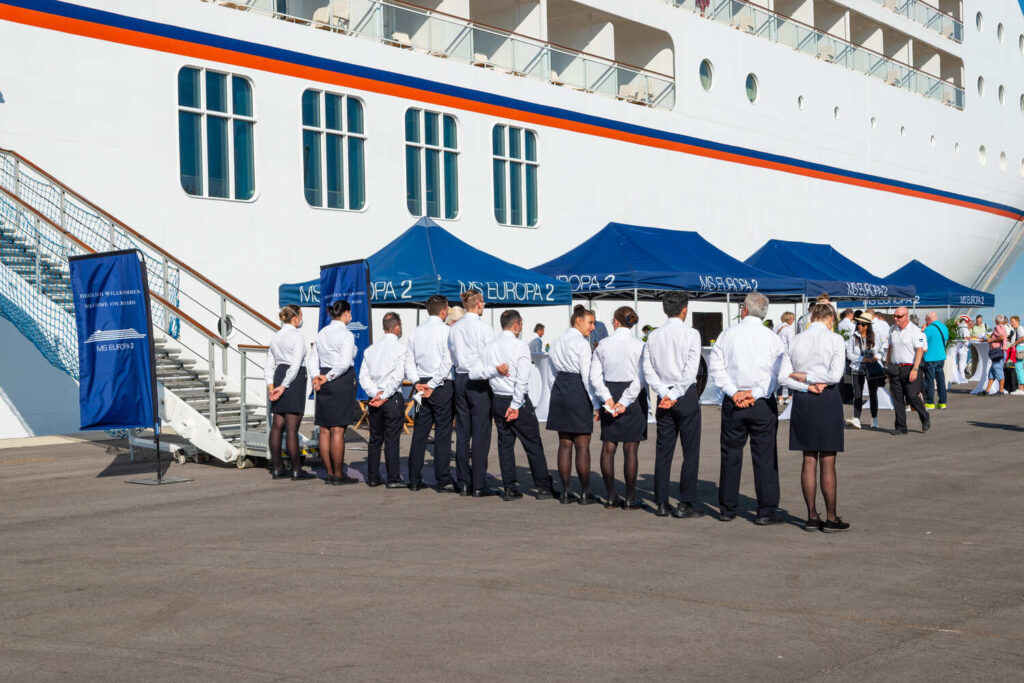
For those interested in travel, cruise ships offer hospitality roles where alcohol service is part of daily operations. RSA (or equivalent training) is typically required.
Working on a cruise ship is a completely different lifestyle. You’re living and working in the same place, often at sea for weeks at a time. Bar and beverage roles are among the most commonly available, and with accommodation and food covered, you can save a significant portion of your income.
The hours are long and the environment can be intense, but for people who want to see the world while building hospitality experience, it’s hard to beat. Australian RSA certification or equivalent is generally accepted, though requirements vary by operator and route.
Supervisor / Shift Leader
Salary Range in Australia: $65,000 – $78,000/year
With experience, RSA becomes a stepping stone into leadership roles. Supervisors are responsible for overseeing staff, handling customer issues, and ensuring the venue complies with alcohol service laws.
Moving into a supervisory role changes what your RSA means. It’s no longer just about your own behaviour. You’re now responsible for everyone on the floor. That means coaching newer staff on responsible service, stepping in when situations get complicated, and knowing the licensing laws well enough to make the right call under pressure.
Most people reach supervisor level after two to four years of floor experience, though strong performers can get there faster. The pay bump is real, and it positions you well for a move into management.
Security / Crowd Control (Hospitality Venues)
Salary Range in Australia: $65,000 – $82,000/year (casual rates typically $35–$50/hr including penalties)
While additional licensing is required, RSA knowledge is often expected in venues where alcohol is served. These roles focus on maintaining a safe environment and managing patron behaviour.
Security in a licensed venue is a different beast from general security work. You’re dealing with people who’ve been drinking, which means de-escalation skills matter as much as physical presence.
Understanding RSA, knowing what intoxication looks like and what the venue’s legal obligations are, helps you do the job better and protects the business.
To work in security legally, you’ll need a Security Licence through your state or territory, but pairing that with an RSA makes you more useful in hospitality-specific settings. Weekend and late-night rates make this one of the better-paying casual roles in this list.

Venue Manager / Licensee
Salary Range in Australia: $75,000 – $100,000/year (senior roles at larger venues can exceed this)
At the top end, RSA is essential for anyone managing or operating a licensed venue. These roles involve overseeing staff, ensuring compliance, and taking responsibility for how alcohol is served on the premises.
As a venue manager or licensee, your RSA isn’t just a qualification but it’s a legal responsibility. You’re the person who’s accountable if something goes wrong with alcohol service on your watch.
That means building a team that understands and follows responsible service practices, staying on top of licensing conditions, and making sure the venue operates within the law at all times.
The role itself covers a lot of ground: rostering, cost control, supplier relationships, customer experience, and staff development. It’s demanding, but it’s also where the real earning potential in hospitality sits. Most people get here after years of hands-on experience working their way up through the industry.

How to Get an RSA Certificate
If you’re planning to apply for RSA jobs, getting certified is your first step. You’ll need to complete the nationally recognised unit: SITHFAB021 – Provide Responsible Service of Alcohol
The process is straightforward. Most courses can be completed in a single day. Once you’ve finished, you’ll receive a Statement of Attainment that allows you to legally work in licensed venues.
Where to Find RSA Jobs
Once you’ve got your RSA, opportunities are everywhere, but hospitality hiring often happens quickly and informally.
You can start with job boards and employment websites such as Seek, Indeed, and Jora, but it’s also worth:
- Dropping your resume into local bars, pubs, and restaurants
- Applying directly through venue websites
- Keeping an eye on event staffing opportunities
- Letting people know you’re available (word of mouth goes a long way in hospitality)
Having your RSA already completed gives you a clear advantage. It shows you’re ready to start immediately.
Why RSA Jobs Are In High Demand In Australia
RSA jobs are often one of the fastest ways to enter the workforce in Australia.
For many people (especially students, travellers, or those changing careers) they offer a practical way to start earning quickly while building experience.
They’re also known for their flexibility. Depending on the role, you can find casual shifts, part-time hours, or full-time work, often with higher pay rates on nights, weekends, and public holidays.
And while many people start with RSA jobs as a short-term option, they can easily turn into long-term careers in hospitality, events, or venue management.
Frequently Asked Questions
What jobs can I get with an RSA certificate?
With an RSA certificate, you can apply for a wide range of hospitality roles including bartender, waiter or waitress, bar staff, bottle shop assistant, event staff, and hotel or resort roles. Many of these are entry-level positions, but they can also lead to more senior roles over time.
Can I get a job straight after getting my RSA?
Yes, many people find RSA jobs soon after completing their certificate. Hospitality venues are often hiring, especially during busy periods, and having your RSA already completed means you can start work straight away.
Do all hospitality jobs require an RSA?
Not all hospitality jobs require an RSA, but any role that involves serving or selling alcohol legally requires one. This includes most bar, restaurant, and event roles.
How long does it take to get an RSA certificate?
Most RSA courses can be completed in a single day, with some taking just a few hours depending on the provider and delivery format.
Is an RSA certificate valid Australia-wide?
RSA rules and recognition can vary between states and territories. In some cases, you may need to complete a bridging course or apply for recognition if you move interstate.
Enrol in a Hospitality Course Near You
If this got you thinking about a career in hospitality, that’s your sign to do something about it. HCA has courses designed for real people with real schedules, whether you’re just starting out or looking to move up in the industry.
You’ll get practical, industry-relevant training that actually prepares you for the job. Just the skills employers are looking for right now.
Ready to take the next step? Browse our courses at hca.edu.au and find one near you.