


Key Takeaways
- Summer is one of the busiest hiring periods in Australia, with strong demand for workers across hospitality, tourism, events, hotels, cafés, restaurants, and retail.
- Many summer jobs in Australia are entry-level positions, making them ideal for students, school leavers, backpackers, and people looking for flexible seasonal work.
- Hospitality roles such as waiter, bartender, barista, kitchen hand, and event staff are among the most widely available summer jobs and often offer penalty rates for evenings, weekends, and public holidays.
- Qualifications such as Responsible Service of Alcohol (RSA), Responsible Service of Gambling (RSG), and Food Safety training can improve your chances of getting hired.
- Applying early, being flexible with your availability, and obtaining relevant hospitality certifications can significantly increase your chances of securing a summer job in Australia.
Summer is one of the busiest hiring periods in Australia’s hospitality and service industries. With tourism increasing, venues at full capacity, and school holidays driving demand, employers urgently need casual staff across cafés, restaurants, hotels, events, and retail.
Many of these roles are ideal for university students, school leavers, backpackers, and anyone looking for casual seasonal work during the busy summer period.
Most summer jobs in Australia are casual roles, meaning flexible hours and award-based pay with penalty rates for evenings, weekends, and public holidays. Entry-level workers typically earn around $24–$38 per hour depending on the role and experience, with higher rates in late-night or high-demand environments.
Below are 10 popular summer jobs in Australia, including what they involve, how much they pay, and the qualifications that can help you get hired faster.
10 Popular Summer Jobs in Australia
Australia’s job market doesn’t slow down in summer. In fact, it speeds up. Beach towns, outback farms, and tourism hotspots all need extra hands to keep up with the higher demand. The good news is that most of these roles don’t require years of experience or a long list of qualifications.
Some of the best-paying seasonal work is open to almost anyone willing to show up and put in the effort, including backpackers on a work holiday visa. Here are 10 of the most popular summer jobs worth considering.
1. Waiter / Waitress
Pay: Approximately $24–$33 per hour (casual with penalties)
Helpful qualification: Responsible Service of Alcohol (RSA)
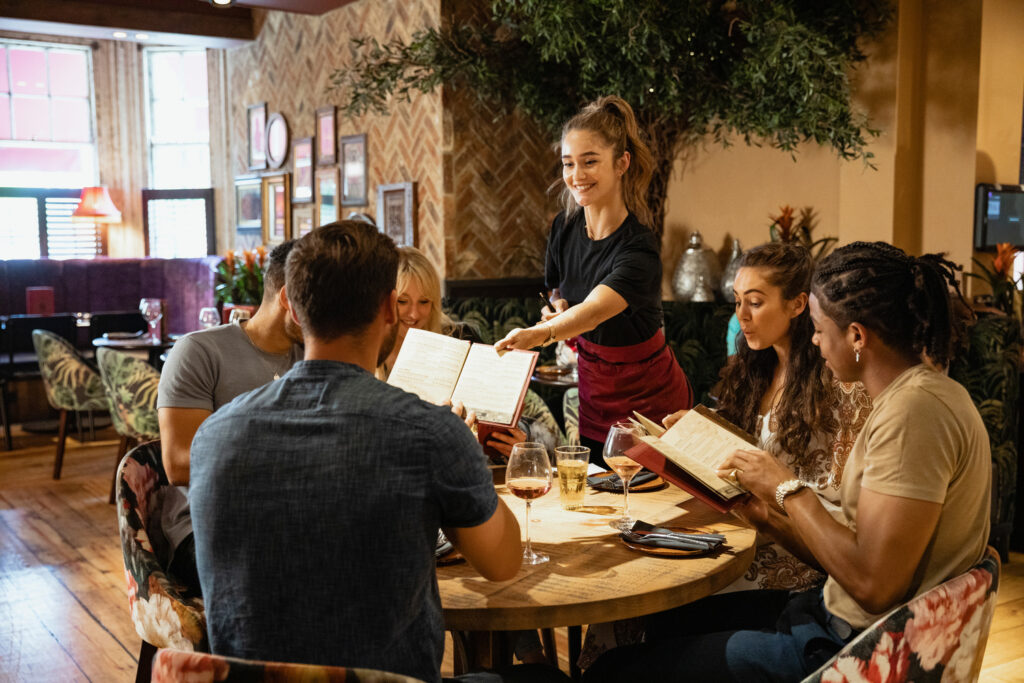
A waiter or waitress works in restaurants, cafés, pubs, and hotels delivering food and drinks, and providing customer service throughout the dining experience. The role includes taking orders, explaining menu items, running food, clearing tables, and processing payments.
During summer, venues are often extremely busy, so speed, communication, and teamwork are very important. You’ll probably be working evenings, weekends, and peak holiday periods when tips and penalty rates can get you a very good salary.
In licensed venues, you may also be required to serve alcohol responsibly and check identification.
2. Bartender / Bar Attendant
Pay: $26-$35+ per hour depending on penalties
Helpful qualifications: RSA (essential), RSG for gaming venues
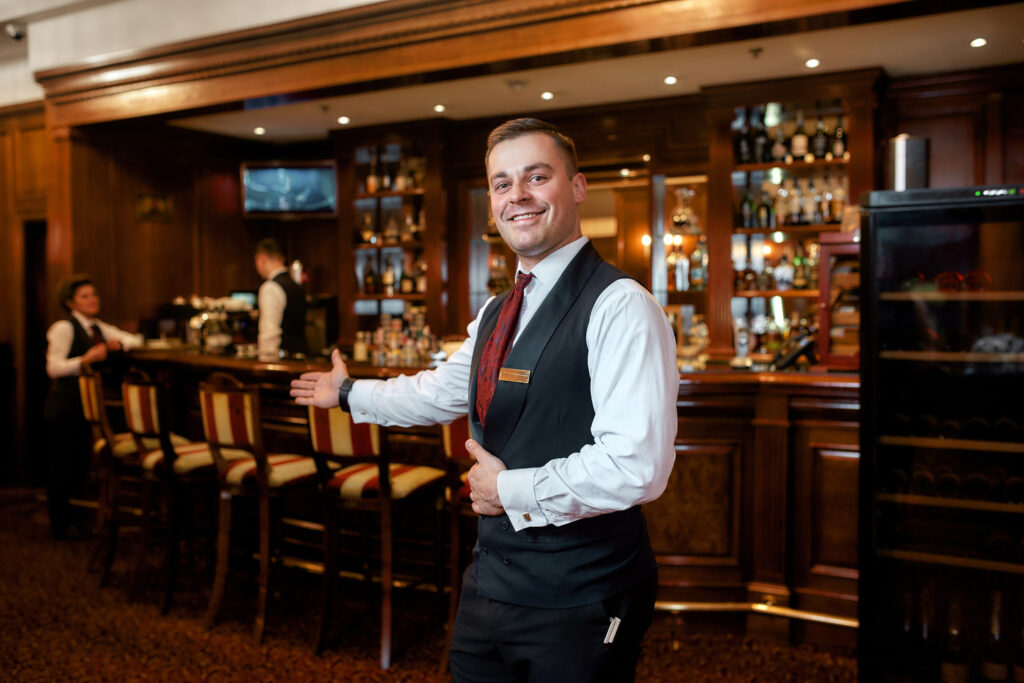
Bartenders work in pubs, bars, restaurants, and clubs preparing and serving alcoholic and non-alcoholic drinks.
The role is all about mixing cocktails, pouring beers, handling payments, and keeping the bar area clean and stocked. During summer, nightlife and tourism increase demand significantly, making bartending one of the most available hospitality jobs. It is fast-paced and requires strong multitasking skills, especially during peak hours.
You’ll also need to monitor customer behaviour and ensure responsible alcohol service at all times. Many venues prefer staff who can start immediately with RSA certification already completed. This is by far one of the most popular RSA jobs you can get in Australia.

3. Café Barista
Pay: $24-$32 per hour
Helpful qualification: Food Safety / Food Handling Certificate
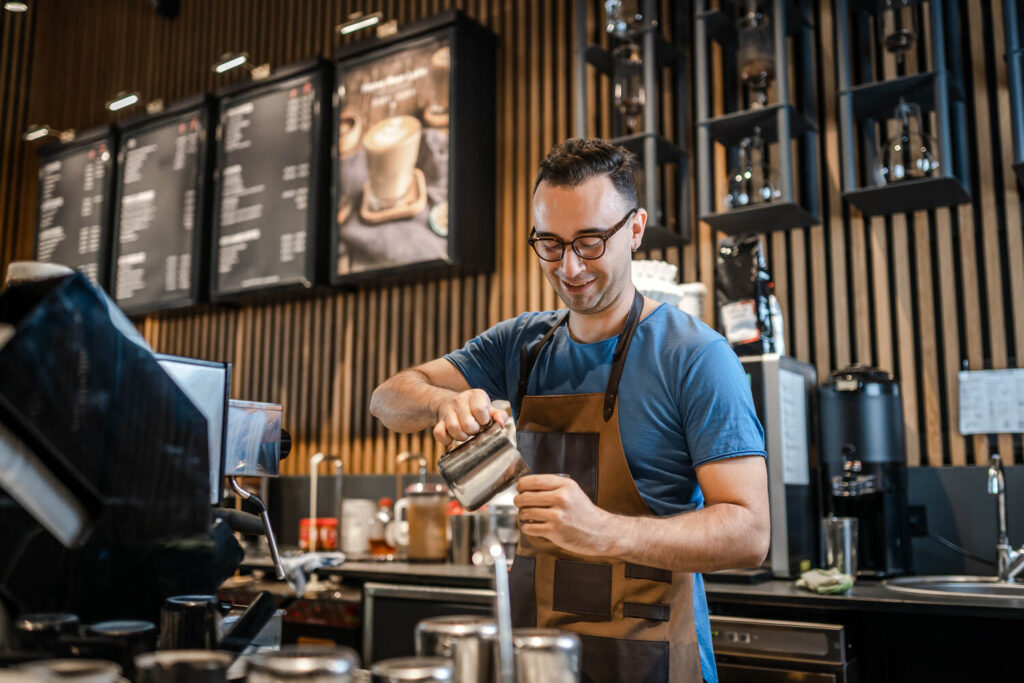
A barista prepares coffee and espresso-based drinks in cafés, restaurants, and takeaway shops. Summer is one of the busiest times for cafés, particularly in tourist areas and coastal towns. The role involves operating espresso machines, steaming milk, handling orders, and maintaining consistency in taste and presentation.
You’ll also interact with customers, manage queues, and often work under pressure during morning rush periods. While experience is helpful, many employers are willing to train beginners who show enthusiasm and reliability. Speed, cleanliness, and attention to detail are key success factors in this role.
4. Food Runner / Kitchen Hand
Pay: $24-$30 per hour
Helpful qualification: Food Safety knowledge or certificate
Food runners and kitchen hands are essential support roles in busy hospitality venues. A food runner delivers meals from the kitchen to customers quickly and accurately, while a kitchen hand assists chefs with basic prep, washing dishes, cleaning surfaces, and maintaining hygiene standards.
This is often one of the easiest entry points into hospitality, especially for those with no prior experience. Summer demand increases significantly due to high customer turnover, meaning venues need reliable staff who can keep up with fast-paced service. The work is physical but provides strong exposure to how professional kitchens operate.

5. Retail Sales Assistant
Pay: $24-$30 per hour depending on penalties
Helpful qualification: Customer service experience (advantage only)
Retail sales assistants work in stores such as clothing shops, supermarkets, and shopping centres. During summer, retailers hire heavily due to Christmas trade, Boxing Day sales, and tourist traffic.
The role includes customer service, operating checkout systems, stocking shelves, and maintaining store presentation. You’ll need to be comfortable working in busy environments and handling multiple customers at once. Strong communication skills and a friendly attitude are essential.
Many employers offer flexible shifts, making it a popular choice for students and casual workers. Experience is helpful but not always required for seasonal hiring periods.

6. Event Staff / Festival Worker
Pay: $25-$40 per hour depending on event type and penalties
Helpful qualification: RSA (for alcohol service roles)
Event staff work at concerts, festivals, sporting events, and large public gatherings. Duties can include ticket scanning, crowd direction, bar service, merchandise sales, or general support roles depending on the event.
Summer is peak season for outdoor events, making this one of the most active hiring categories. The work can be exciting but also physically demanding, with long shifts and standing for extended periods. Flexibility is essential, as shifts often run late into the night or across full-day events. Many roles require RSA certification if alcohol is served at the event.

7. Housekeeping / Hotel Attendant
Pay: $24-$30 per hour
Helpful qualification: Food Safety (if working in hotel kitchens or dining areas)
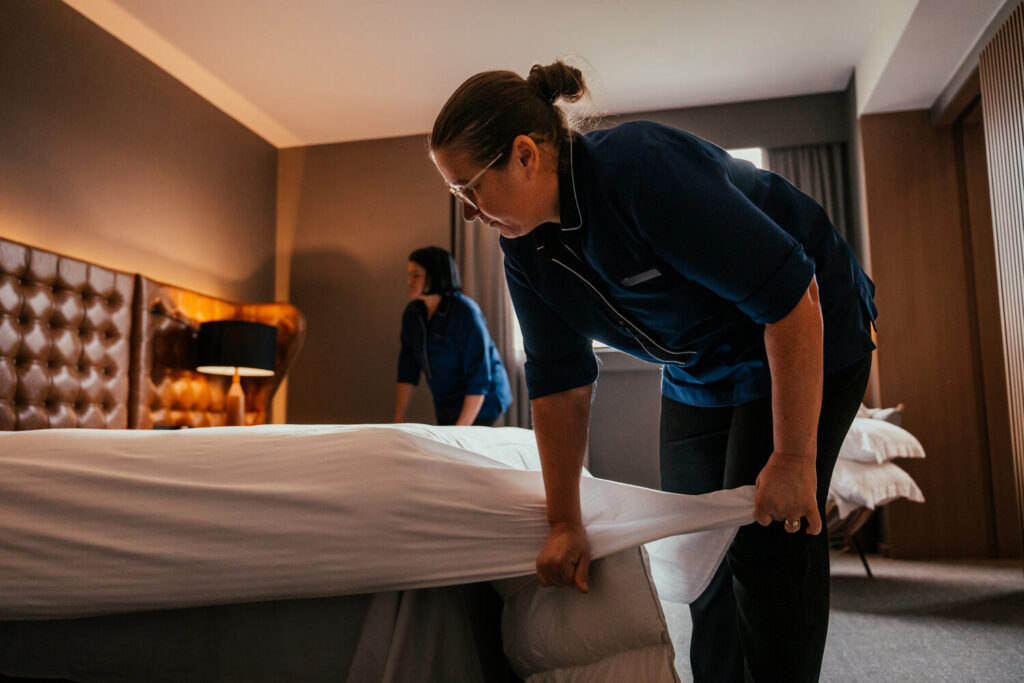
Housekeeping staff work in hotels, resorts, and accommodation venues cleaning rooms, changing linen, restocking supplies, and ensuring guest rooms meet hygiene standards.
Summer is peak tourism season in Australia, so hotels often increase staffing significantly. The role is structured and repetitive but requires attention to detail and efficiency, as rooms must be turned over quickly for new guests. Early morning shifts are common, especially in busy coastal and city hotels.
While it is not customer-facing in the same way as other roles, professionalism and reliability are highly valued.
8. Tour Guide / Attraction Staff
Pay: $25-$35 per hour
Helpful qualification: Tourism or customer service training (advantage)
Tour guides and attraction staff work in tourism-based roles such as museums, zoos, aquariums, heritage sites, or guided tours. Responsibilities include welcoming visitors, providing information, managing groups, and ensuring a positive guest experience.
During summer, tourist numbers increase significantly across Australia, leading to strong seasonal demand. This role suits people with strong communication skills and confidence speaking to groups. It can also involve storytelling, safety briefings, and assisting with bookings or ticketing.
No formal qualification is usually required, but hospitality or tourism training is highly valued.

9. Kitchen Cook / Prep Assistant
Pay: $25-$35 per hour depending on experience
Helpful qualification: Food Safety Supervisor or Food Handling Certificate
Kitchen cooks and prep assistants support chefs by preparing ingredients, cooking basic menu items, plating dishes, and maintaining cleanliness in the kitchen. Summer is one of the busiest times for kitchens, especially in restaurants and coastal hospitality venues.
The role requires speed, organisation, and the ability to work under pressure during peak service times. It is physically demanding, involving long hours on your feet in a hot environment.
While experienced cooks are in demand, many venues hire juniors or assistants and provide on-the-job training.
10. Gaming Attendant (RSG Role)
Pay: $26-$35+ per hour depending on penalties
Helpful qualification: Responsible Service of Gambling (RSG)
Gaming attendants work in pubs, clubs, and venues with electronic gaming machines. The role involves assisting customers, monitoring gaming areas, handling payments or vouchers, and ensuring compliance with gambling regulations.
During summer, hospitality venues often see increased patronage, making gaming rooms busier and requiring additional staff. This role requires strong responsibility, as you must follow strict legal guidelines around responsible gambling. It also involves customer interaction and maintaining a safe environment.
Many venues require formal certification before you can begin work in this role.

Why Hospitality Offers Some of the Best Summer Jobs in Australia
Every summer, Australia’s hospitality industry experiences a significant increase in demand. Restaurants, cafés, pubs, clubs, hotels, resorts, and event venues often require additional staff to manage the influx of tourists, holidaymakers, and seasonal events.
The Christmas and New Year period is particularly busy. Venues extend their trading hours, host functions, and serve larger numbers of customers. As a result, hospitality employers frequently recruit casual staff for roles such as waiters, bartenders, baristas, kitchen hands, gaming attendants, and event workers.
For job seekers, this creates a valuable opportunity to gain experience, earn competitive hourly rates, and develop transferable customer service skills. Many hospitality workers who start in seasonal positions are later offered ongoing casual, part-time, or full-time employment.
Key Hospitality Qualifications That Help You Get Hired
Before you start applying for summer jobs, it helps to understand that many hospitality employers prefer candidates who already hold industry-recognised certifications. In some roles, these qualifications are legally required before you can begin work, while in others they simply make your application stand out from the crowd.
The good news is that courses such as RSA, RSG, and Food Safety training can often be completed quickly and may significantly improve your chances of getting hired.
If you’re looking to secure work in hospitality, having the right qualifications can give you a valuable head start.
Responsible Service of Alcohol (RSA)
RSA certification is required for almost all roles involving alcohol service, including bartending, waiting tables in licensed venues, and event work. It teaches you how to identify intoxication, refuse service responsibly, and comply with liquor laws.
Responsible Service of Gambling (RSG)
RSG is required for roles in gaming venues. It covers legal obligations, responsible gambling practices, and customer support in gaming areas.
Food Safety / Food Handling Certificate
The Food Handler and Food Safety Supervisor qualifications are highly useful for café, restaurant, and kitchen roles. It covers hygiene, contamination prevention, safe storage, and food preparation practices.

Where to Find Summer Jobs in Australia
Knowing where to look can make a big difference when searching for summer jobs in Australia. While many employers advertise online, some of the best opportunities are still found through direct applications and local networking.
Online Job Boards
Major job websites such as Seek, Indeed, and Jora regularly advertise thousands of seasonal and casual positions across hospitality, retail, tourism, and events.
During the lead-up to summer, many employers begin posting vacancies for bar staff, waiters, retail assistants, kitchen hands, and event workers. Setting up job alerts can help you apply quickly when new roles become available.
Apply Directly to Hospitality Venues
Many cafés, restaurants, pubs, clubs, and hotels prefer to hire staff who introduce themselves in person. Walking into a venue with a well-presented resume can help you stand out from online applicants.
This approach is particularly effective for hospitality roles, where employers often value personality, reliability, and availability as much as previous experience.

Look for Seasonal Tourism Opportunities
Summer is peak tourism season in Australia, creating increased demand for workers in hotels, resorts, attractions, tour companies, and holiday destinations.
Coastal towns, major cities, and popular tourist regions often recruit additional staff to manage higher visitor numbers during the holiday period.
Check Local Community and Social Media Groups
Many small businesses advertise casual and seasonal positions through local Facebook community groups and employment pages. These opportunities may never appear on major job boards, making social media a useful resource for finding local summer work.
Attend Job Fairs and Recruitment Events
Some employers and recruitment agencies hold hiring events before the busy summer season. These events allow you to meet employers face-to-face, ask questions about available roles, and potentially secure interviews on the spot.
The key to finding summer jobs in Australia is to start early, apply broadly, and remain flexible. Candidates who combine online applications with direct approaches to employers often have the greatest success securing work before the holiday rush begins.

Frequently Asked Questions
When do employers start hiring for summer jobs?
Most hospitality and retail businesses start looking for summer staff between October and November, well before the Christmas rush hits. That gives employers enough time to onboard new staff, run any required training, and have everyone ready to go before things get busy.
The earlier you apply, the better your chances of landing something good before the competition heats up. Waiting until December is leaving it too late.
Do I need experience to get a summer job in Australia?
Not always. Plenty of entry-level roles like food runner, kitchen hand, retail assistant, and event staff are open to people with little to no work history behind them. Employers in these roles are often more interested in how reliable you are, how quickly you can pick things up, and how available you are over the holiday period.
A good attitude and willingness to show up on time can go a long way, especially when venues are desperate for staff.
How much do summer jobs in Australia pay?
Most summer jobs in hospitality and retail pay somewhere between $24 and $38 per hour, though that number can shift depending on the role, your experience, and where you’re working.
Penalty rates are one of the biggest perks of casual work in Australia. Evening shifts, weekends, and public holidays all attract higher pay, so working those less desirable hours can add up quickly on your weekly take-home.
Are summer jobs suitable for students?
Yes, and they’re one of the better options out there for students who need flexibility. Most summer roles are casual, meaning you pick up shifts as they come rather than committing to a fixed schedule.
That works well for school leavers, university students, and anyone who needs to fit work around other commitments. The holiday period also lines up with when most students have the most free time, so the timing works in your favour.
Can international students work summer jobs in Australia?
International students may be able to work summer jobs depending on their visa conditions. Many student visas allow a set number of work hours per fortnight, and hospitality, retail, tourism, and event roles are among the most commonly filled by international students during summer. It’s worth checking your specific visa conditions before applying, as work rights can vary.
What hospitality jobs pay the most during summer?
Bartenders, gaming attendants, experienced cooks, and event staff tend to sit at the higher end of the pay scale during summer. A big part of that comes down to penalty rates for late-night and weekend shifts, but having the right qualifications also makes a difference.
Holding an RSA or RSG certificate can open doors to higher-paying roles that other applicants without those credentials simply can’t apply for.
Enrol in a Hospitality Course Near You
If this got you thinking about a career in hospitality, that’s your sign to do something about it. HCA has courses designed for real people with real schedules, whether you’re just starting out or looking to move up in the industry.
You’ll get practical, industry-relevant training that actually prepares you for the job. Just the skills employers are looking for right now.
Ready to take the next step? Browse our courses at hca.edu.au and find one near you.