
How to Become a Barista in Australia: A Beginner's Guide
Love coffee, enjoy working with people and want to get started in hospitality? Becoming a barista can be a great entry point.



In Short
- You don’t need formal qualifications to become a barista in Australia. Many cafés provide on-the-job training, although completing a barista course can help you develop practical skills.
- Baristas prepare more than just coffee. The role involves making hot chocolates, lattes, matcha and other beverages, as well as serving customers and maintaining equipment.
- You can find barista jobs without experience. Entry-level positions such as café all-rounder or trainee barista can provide a pathway into the industry.
- Additional hospitality training can broaden your opportunities. Food safety training can help develop essential workplace knowledge, while RSA qualifications may be useful for roles in licensed cafés, restaurants and hotels.
Australia has a strong coffee culture, with cafés, restaurants, hotels and takeaway shops hiring baristas to prepare drinks like flat whites, cappuccinos, matcha lattes and long blacks.
You do not always need previous hospitality experience or formal qualifications to begin. In this guide, we explain how to become a barista in Australia, the skills and training that can help, and how to find your first barista job.

What does a barista do?
A barista is a hospitality worker who specialises in preparing and serving coffee and other beverages.
While making coffee is the most obvious part of the job, baristas are also responsible for ensuring customers receive quality service and that the coffee-making area remains clean, organised and safe. Depending on the workplace, a barista’s daily responsibilities might include:
- Preparing espresso-based drinks, including flat whites, lattes, cappuccinos and long blacks.
- Preparing other hot and cold beverages, including chai lattes, matcha lattes, hot chocolates, teas and iced drinks.
- Grinding coffee beans and adjusting the grind to achieve the right extraction.
- Steaming and texturing milk for different coffee styles.
- Taking customer orders and processing payments.
- Cleaning and maintaining coffee machines, grinders and other equipment.
- Following food safety and hygiene procedures.
- Restocking coffee beans, milk, cups and other supplies.
- Providing friendly and efficient customer service.
In smaller cafés, baristas may also take food orders, serve meals, clear tables and assist with general café operations.
How to become a barista in Australia: 6 steps
You don’t need to follow one particular career pathway to become a barista in Australia. Some people learn on the job, while others complete a barista training course before applying for their first position.
Here are six steps to help you get started.

Step 1: Understand what the job involves
Before applying for barista jobs, it’s worth understanding what working in a busy café is really like. Baristas often work early mornings, weekends and public holidays, particularly in cafés that cater to breakfast customers and commuters.
During busy periods, you might need to prepare several drinks at once, remember multiple orders and communicate with customers and other staff while keeping the coffee machine running smoothly.
The job can involve spending long periods on your feet, and speed and accuracy are important. If you enjoy hands-on work, meeting new people and being part of a team, it could be a rewarding hospitality career.
Step 2: Learn the basics of coffee making
A good barista needs more than an appreciation for coffee. You also need to understand how to prepare different drinks consistently, from grinding and dosing coffee to tamping and extracting espresso correctly.
Milk texturing is another important skill, including steaming milk to the right temperature and texture for drinks such as flat whites, cappuccinos and lattes. You should also become familiar with common coffee recipes, commercial espresso machines, grinders, cleaning procedures and how to manage several orders efficiently without sacrificing quality.
You can learn coffee terminology and basic techniques online, but hands-on practice with commercial equipment is especially valuable.
Step 3: Consider completing a barista training course
There is no universal legal requirement to hold a barista qualification before making and serving coffee in an Australian café.
However, completing a barista training course can help you develop practical skills and demonstrate your commitment to potential employers.
Depending on the provider, barista training may cover espresso preparation, milk texturing, coffee machine operation, cleaning procedures and customer service.
Some courses include nationally recognised units of competency, such as:
- SITHFAB025 – Prepare and serve espresso coffee: Covers the skills required to prepare and serve espresso coffee using commercial equipment.
- SITXFSA005 – Use hygienic practices for food safety: Covers essential food hygiene practices relevant to people working with food and beverages.
It’s important to check whether a course is nationally recognised training or a non-accredited workshop, as the certificates issued may be different.
A barista course isn’t compulsory for most positions but it may help you feel more confident when approaching employers, particularly if you haven’t worked in hospitality before.

Step 4: Develop your customer service and food safety skills
Making great coffee is important, but it’s only one part of being a successful barista. Most cafés also want employees who are reliable, friendly, organised and capable of working well under pressure.
Customer service skills are especially important because baristas often interact with customers throughout the day. You’ll need to listen carefully to orders, communicate clearly and respond professionally if something goes wrong. Food safety knowledge is also essential.
Baristas handle ingredients such as milk, ice and other food products, so understanding hygiene, cleaning and safe food-handling procedures is an important part of the job.
Depending on your duties and the food safety requirements that apply to the business, you may need to complete relevant food safety training. If you’re new to hospitality, completing a Food Handler course can be a useful way to develop foundational food safety knowledge.
Step 5: Get some practical experience
One of the biggest challenges when trying to become a barista without experience is that many employers prefer applicants who already know how to operate a commercial coffee machine. Fortunately, there are ways to develop your skills before securing a dedicated barista position. You could:
- Apply for an entry-level café all-rounder position.
- Look for cafés that offer on-the-job training.
- Ask about opportunities to learn coffee preparation while working in another hospitality role.
- Complete a practical barista workshop.
- Practise with a suitable espresso machine and seek feedback from experienced baristas.
Starting as a café all-rounder can be particularly useful. You may initially be responsible for taking orders, clearing tables, preparing simple drinks or assisting with food service, before gradually learning how to use the coffee machine.
This can also help you develop an understanding of how a café operates during busy periods.
Step 6: Start applying for barista jobs
Once you’ve developed some basic skills, it’s time to start looking for work, and you don’t necessarily need to wait until you’ve mastered latte art or gained months of experience. Some cafés are willing to train enthusiastic beginners who demonstrate good customer service skills, reliability and a willingness to learn.
When applying for jobs, focus on the skills you can offer, even if you’ve never worked as a barista before. Previous experience in retail, fast food, customer service or other hospitality roles can be relevant.
If you’ve completed any training, include it on your resume along with the skills you’ve developed.

Where to find barista jobs in Australia
Baristas work in a wide range of hospitality businesses, from small neighbourhood cafés to large hotels and restaurant groups.
According to Jobs and Skills Australia, approximately 118,800 Australians were employed as bar attendants and baristas in February 2026, with 71 per cent of workers in these occupations working part-time, based on 2025 data.
This highlights the prevalence of part-time work in the industry, making it worth exploring for people looking to combine employment with study, family commitments or other responsibilities. Some of the most common places to find barista work include:
- Independent cafés and coffee shops.
- Coffee chains and franchise businesses.
- Restaurants and breakfast venues.
- Hotels and resorts.
- Bakeries and takeaway food outlets.
- Shopping centre cafés.
- University and workplace cafés.
- Mobile coffee vans and event businesses.
Search online job boards
Online employment platforms are a good starting point for finding barista jobs in Australia. Popular options include Seek, Indeed and Jora.
Try searching for terms such as ‘barista’, ‘junior barista’, ‘trainee barista’, ‘café all-rounder’ or ‘barista no experience’.
You can also filter results by location, employment type and experience level.
Approach local cafés directly
Not every café advertises its vacancies online. Some smaller businesses recruit through word of mouth, social media or direct inquiries. Consider visiting cafés in your local area during quieter trading periods to ask whether they’re hiring.
Bring a copy of your resume and be prepared to explain why you’re interested in working there. Avoid approaching staff during the busy morning coffee rush, when they may not have time to speak with you.
Look for entry-level hospitality roles
If you’re struggling to find a barista position without experience, consider applying for related roles. Café all-rounder, counter attendant, food and beverage attendant and front-of-house positions can provide valuable hospitality experience.
Once you’re working in a café, you may have opportunities to learn coffee-making skills from more experienced employees.
Use your personal networks
Friends, family members and former colleagues may know of cafés looking for staff. You can also follow local hospitality businesses on social media, where some employers advertise vacancies directly.
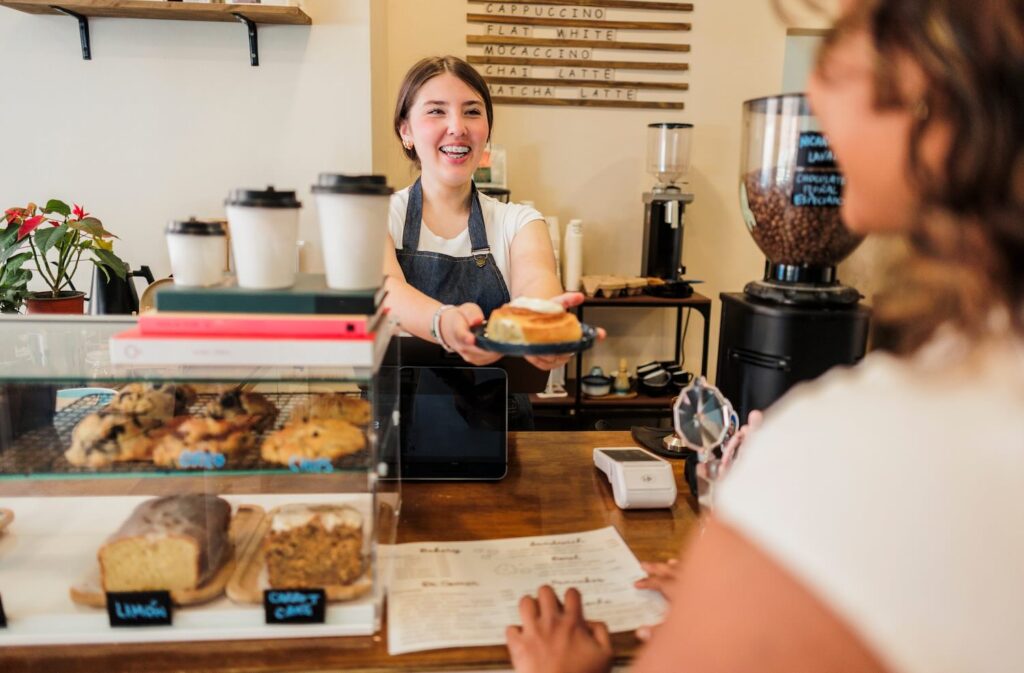
How to get a barista job with no experience
Getting your first barista job can be challenging when many ads ask for previous experience, but that does not mean you need years behind a coffee machine to get started. Cafés hiring for junior or entry-level roles often look for reliability, good communication, customer service skills and a willingness to learn.
A simple hospitality-focused resume can help, especially when it highlights teamwork, punctuality and the ability to stay calm during busy periods. It is also worth being clear about your availability, as early mornings and weekends are common in café work.
Learning the basics before applying can make a difference too. Knowing common coffee orders, understanding basic preparation and showing a genuine interest in coffee can help you stand out. Practical barista training may also give you more confidence, especially because some employers include a short coffee-making trial as part of the hiring process.
Everyone starts somewhere, and a positive attitude, good work ethic and willingness to improve can matter just as much as experience.
What skills do you need to be a barista?
While technical coffee-making skills are important, successful baristas also need a range of personal and professional qualities, such as:
- Customer service: Creating a welcoming experience for customers and encouraging repeat business.
- Attention to detail: Ensuring orders are accurate and coffee is prepared consistently.
- Communication: Interacting effectively with customers and working closely with colleagues.
- Time management: Managing multiple orders efficiently, particularly during busy periods.
- Teamwork: Working together with other staff to keep café operations running smoothly.
- Food safety awareness: Following hygiene procedures to prevent contamination and ensure safe food and beverage preparation.
- Adaptability: Responding to changing orders, busy periods and unexpected challenges.
These skills can be developed through training, practice and experience.
How much do baristas earn in Australia?
Barista pay in Australia varies depending on factors such as age, experience, employment type, location and the industrial award or enterprise agreement covering the position. Some baristas are employed on a casual basis, while others work part-time or full-time.
Casual employees may receive a casual loading instead of certain paid leave entitlements, and penalty rates may apply for work performed at particular times, including weekends and public holidays.
Do you need an RSA certificate to work as a barista?
Not usually. If you’re working in a café that only serves coffee, tea, food and other non-alcoholic beverages, you generally won’t need Responsible Service of Alcohol (RSA) training.
However, some cafés, restaurants and hotels also serve alcohol.
If your role involves selling, serving or supplying alcohol, you may need to complete RSA training in accordance with the requirements of your state or territory.
Having an RSA qualification may also allow you to apply for a broader range of hospitality positions, particularly in venues that operate as cafés during the day and licensed restaurants or bars in the evening.

Enrol in a Hospitality Course Near You
If this got you thinking about a career in hospitality, that’s your sign to do something about it. HCA has courses designed for real people with real schedules, whether you’re just starting out or looking to move up in the industry.
Hospitality Courses Australia · RTO 41072.
Need a hand choosing? Call 1300 601 691.