



Key Takeaways
- An RSG certificate is required for many gaming-related jobs in pubs, clubs, hotels and casinos across Australia.
- Popular RSG jobs include gaming attendant, casino dealer, gaming supervisor, venue manager and responsible gambling officer.
- Entry-level RSG jobs can lead to higher-paying supervisory and management positions with experience.
- Completing an RSG course can improve your employment opportunities and help you build a rewarding career in the hospitality and gaming industries.
If you’re just starting out in hospitality or planning a long-term career in gaming, getting a Responsible Service of Gambling (RSG) certificate can seriously expand your job options.
Many people assume RSG jobs are limited to working in poker machine rooms. In reality, an RSG qualification opens the door to a wide range of positions across pubs, clubs, casinos, hotels and licensed gaming venues throughout Australia. From customer-facing roles to management positions, employers often require staff to hold a current RSG certificate before they can perform gaming-related duties.
In this guide, we’ll list 10 of the most common and desirable RSG jobs in Australia, what each role involves, typical salaries, and how an RSG certificate can help you start or advance your career in Australia’s gaming industry.

What Are RSG Jobs?
RSG jobs are roles within licensed gaming venues where employees interact with customers, oversee gambling activities or perform duties governed by responsible gambling legislation.
An RSG (Responsible Service of Gambling) or an RCG in NSW (nearly the same course) certificate gives knowledge and skills to carry out these responsibilities safely and legally, including how to:
- recognise signs of problem gambling
- interact appropriately with vulnerable patrons
- understand their legal responsibilities
- minimise gambling-related harm
- comply with state or territory legislation.
Top 10 RSG Jobs in Australia
Depending on where you work, an RSG certificate may be mandatory before you can perform gaming duties, or it may need to be completed shortly after starting the job.
Many employers also prefer applicants who already hold both an RSG and an RSA (Responsible Service of Alcohol) certificate, as this allows staff to work across multiple areas of the venue.
With that in mind, here are 10 common RSG jobs that either require or strongly prefer candidates to hold a current Responsible Service of Gambling certificate.
1. Gaming Attendant
Average hourly rate: $28-$35 (casual)
Average annual salary: $58,000-$68,000 (full-time equivalent)
Gaming attendants are among the most common RSG jobs in Australia and are often the first point of contact for patrons using gaming facilities. Working in pubs, clubs, hotels and gaming lounges, they monitor gaming machine areas, process payouts, answer customer enquiries and help maintain a safe, welcoming environment.
An important part of the role is recognising when patrons may need responsible gambling support and ensuring gaming activities comply with venue policies and legal requirements.
For many people, becoming a gaming attendant is an excellent entry point into the gaming industry and can lead to supervisory and management opportunities.

2. Casino Dealer
Average hourly rate: $30-$40 (casual)
Average annual salary: $62,000-$78,000 (full-time equivalent)
Casino dealers are responsible for running table games such as blackjack, roulette, baccarat and poker in licensed casinos. While employers provide specialised training in dealing procedures and game rules, an RSG certificate equips dealers with the knowledge needed to promote responsible gambling and meet their legal obligations when interacting with patrons.
Throughout a shift, casino dealers manage bets, operate table games, explain the rules to players and monitor customer behaviour to ensure games are conducted fairly and in accordance with casino procedures.
Strong customer service skills, confidence with numbers and the ability to remain calm under pressure are essential for success in this fast-paced role.

3. Gaming Supervisor
Average hourly rate: $32-$42 (casual)
Average annual salary: $65,000-$80,000 (full-time equivalent)
Gaming supervisors oversee gaming attendants and help ensure gaming operations run smoothly and safely throughout each shift. Combining leadership with regulatory compliance, they supervise staff, resolve customer issues, monitor responsible gambling procedures and ensure gaming equipment is operating correctly.
They are also responsible for completing shift reports, supporting staff training and maintaining compliance with venue policies and relevant gaming legislation. Most gaming supervisors begin their careers as gaming attendants before progressing into leadership roles, making this a natural next step for experienced hospitality and gaming professionals.

4. TAB or Sports Betting Attendant
Average hourly rate: $26-$34 (casual)
Average annual salary: $54,000-$65,000 (full-time equivalent)
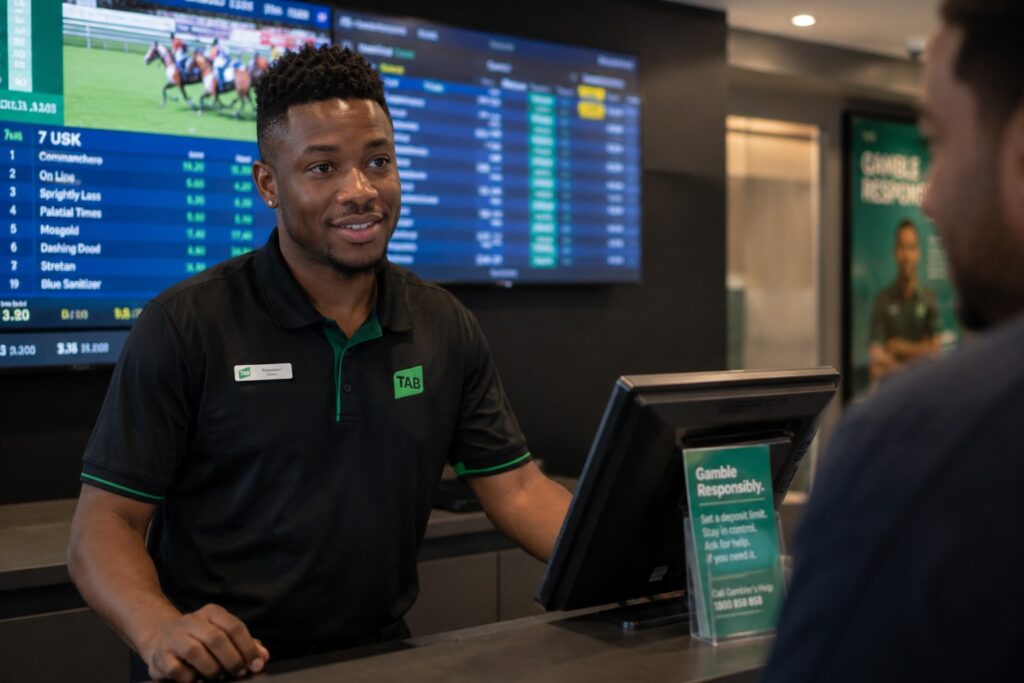
Not all RSG jobs involve poker machines or gaming tables. TAB and sports betting attendants work in licensed pubs, clubs and dedicated betting outlets, assisting customers with placing bets on racing and sporting events.
Their responsibilities include processing wagers, paying winnings, operating betting terminals, balancing cash and explaining betting options to customers.
They also play an important role in promoting responsible gambling by monitoring customer behaviour and responding appropriately to anyone showing signs of gambling-related harm. This role is well suited to people who enjoy customer service and can work confidently in a fast-paced, cash-handling environment.
5. Club Duty Manager
Average annual salary: $70,000-$90,000 (full-time)
Club duty managers oversee the day-to-day operations of licensed clubs, ensuring all areas of the venue, including gaming, food and beverage, and customer service, run efficiently throughout each shift.
In venues with gaming facilities, they play a key role in ensuring responsible gambling practices are followed and that the venue complies with relevant gaming legislation.
Their responsibilities typically include supervising staff across multiple departments, resolving customer complaints, responding to incidents, co-ordinating daily operations and completing compliance reporting.
An RSG certificate (even online ones) is generally essential for duty managers working in venues with gaming areas, as they are responsible for maintaining legal compliance and supporting staff in meeting their responsible gambling obligations.
6. Keno Operator
Average hourly rate: $26-$33 (casual)
Average annual salary: $54,000-$63,000 (full-time equivalent)
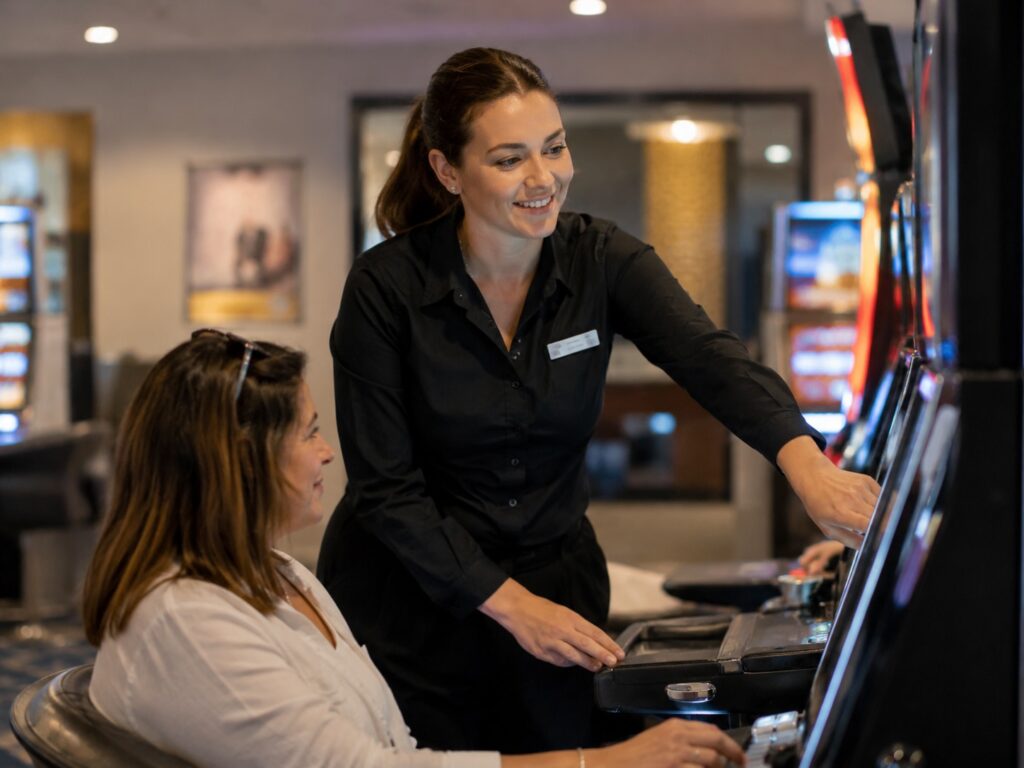
Keno operators assist customers playing lottery-style games in licensed pubs, clubs and other venues offering Keno services. They are responsible for processing entries, operating Keno terminals, explaining game rules, paying prizes and balancing cash at the end of their shift.
As they work directly with gambling products and interact with customers throughout the gaming experience, Keno operators are also expected to promote responsible gambling practices and respond appropriately to patrons who may require assistance.
An RSG certificate is generally required for this role, making it another popular entry-level position within the gaming and hospitality industry.

7. Compliance Officer (Gaming Operations)
Average hourly rate: $32-$45 (casual/contract)
Average annual salary: $70,000-$95,000 (full-time equivalent)
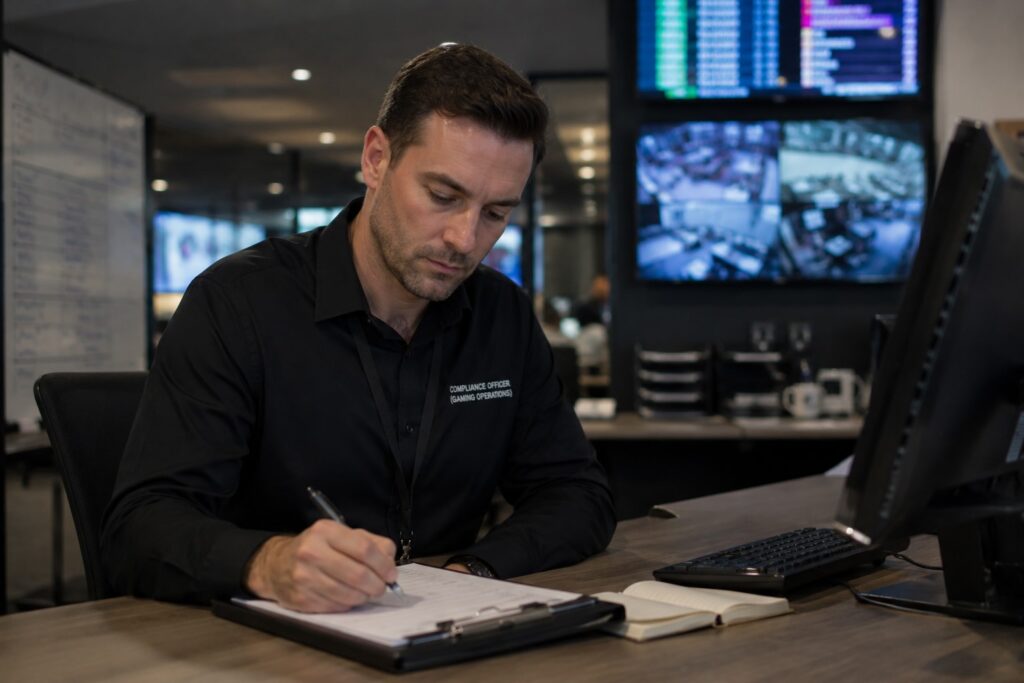
Compliance officers in gaming operations play a behind-the-scenes role, ensuring licensed venues comply with gambling legislation, regulations, and internal policies.
Rather than working directly with customers, they focus on maintaining the integrity of gaming operations through monitoring and review. Their responsibilities typically include conducting internal audits, reviewing gaming procedures, investigating incidents or breaches, maintaining accurate compliance records, and supporting staff training to ensure responsible gambling obligations are met.
This role is best suited to experienced industry workers with a strong understanding of regulatory requirements and responsible gambling frameworks, often developed through prior gaming or venue management experience.
8. Customer Service Officer for Gaming Lounges
Average hourly rate: $27-$34 (casual)
Average annual salary: $55,000-$65,000 (full-time equivalent)
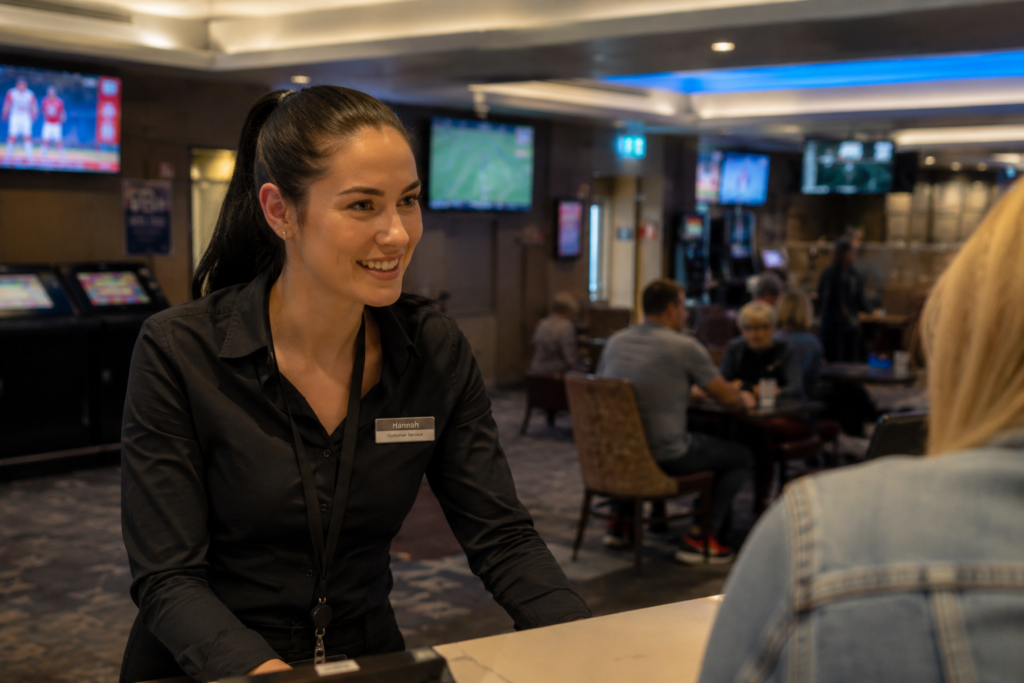
Customer service officers in gaming lounges are employed in hotels, clubs and entertainment venues to provide dedicated support to patrons using electronic gaming machines and other gambling facilities. Unlike general hospitality staff, their focus is specifically on the gaming area and the customer experience within it.
Their responsibilities typically include welcoming patrons, assisting with the use of gaming machines, answering questions about gameplay or venue services, processing minor payouts, maintaining cleanliness and presentation of the gaming lounge, and observing customer behaviour to identify signs of gambling-related harm where support or intervention may be needed.
Strong interpersonal skills, attention to detail and a professional, customer-focused approach are essential in this role, which also requires a sound understanding of responsible service of gambling obligations.
9. Venue Manager
Average hourly rate: $40-$60+ (casual/contract equivalent)
Average annual salary: $85,000-$130,000+ (full-time equivalent)
Venue managers oversee the day-to-day operation of licensed gaming venues such as hotels, clubs and entertainment complexes. This senior hospitality role combines business leadership with strong regulatory oversight, particularly in relation to gaming and responsible gambling compliance.
Responsibilities typically include managing staff across multiple departments, overseeing gaming and hospitality operations, ensuring full compliance with licensing laws and legislation, managing budgets and financial performance, enhancing customer experience, and co-ordinating responsible gambling policies and procedures across the venue.
Venue managers are also responsible for ensuring the venue operates safely, ethically and efficiently while meeting all legal obligations. Most professionals in this role have extensive experience in hospitality or gaming operations, supported by formal management training and relevant industry qualifications, including an RSG certificate.

10. Responsible Gambling Officer
Average hourly rate: $30-$42 (casual/contract)
Average annual salary: $65,000-$90,000 (full-time equivalent)
Responsible Gambling Officers work within licensed venues and gaming organisations to minimise gambling-related harm and ensure compliance with responsible gambling codes of conduct and legislation.
This specialist role focuses on player welfare, policy implementation and staff support rather than general hospitality operations.
Typical responsibilities include monitoring gaming areas for signs of problematic gambling behaviour, intervening appropriately when concerns are identified, supporting patrons who may be experiencing harm, maintaining incident and intervention records, assisting with staff training, and ensuring responsible gambling procedures are consistently applied across the venue.
Strong communication skills, sound judgement and a thorough understanding of responsible gambling frameworks are essential, and this role typically requires an RSG certificate along with additional experience in gaming or venue operations.

Where Can You Find RSG Jobs?
Once you’ve completed your RSG training, you’ll be qualified to apply for a wide range of roles across Australia’s hospitality and gaming industries.
From local pubs and community clubs to major casinos and entertainment venues, employers regularly seek staff who understand responsible gambling practices and can help ensure gaming activities are conducted safely and in accordance with the law. Common employers requiring RSG-qualified staff include:
- pubs
- hotels
- RSL clubs
- sporting clubs
- casinos
- licensed clubs
- entertainment venues
- hospitality groups
- gaming lounges
- TAB outlets
Many employers advertise positions on major job websites, while larger hospitality companies often recruit directly through their careers pages.
Do You Need Any Other Qualifications?
While an RSG certificate is essential for many gaming roles, some employers also look for additional qualifications and experience depending on the position.
Holding multiple certifications can make you a more competitive job applicant and may allow you to work across different areas of a venue, opening the door to more shifts and greater career progression. Common qualifications employers look for include:
- Responsible Service of Alcohol (RSA)
- food safety training
- first aid certification
- hospitality experience
- leadership or management qualifications
For example, many pubs, clubs and hotels prefer candidates who already hold both an RSG and RSA certificate, as this allows them to work in both gaming and food and beverage areas. As you progress into supervisory or management positions, additional hospitality experience and leadership training can also improve your employment prospects.

Frequently Asked Questions
How long does it take to complete an RSG certificate?
Most RSG courses take just a few hours to complete, making it one of the fastest qualifications you can add to your resume in the hospitality space.
Online courses can be done in a single sitting, anywhere between two and four hours depending on your pace. In-person training typically runs for half a day and includes some hands-on practice and discussion. Either way, you’re not looking at weeks of study or expensive training blocks. If you want to start a new career in the gambling industry, this is one of the easiest boxes to tick.
How much does an RSG certificate cost?
RSG courses cost somewhere in the $30–$80 range, depending on the provider and the state you’re in. Online courses tend to be on the cheaper end, while face-to-face training can cost a little more, but the extra cost is worth it, as you learn a lot more at a training centre.
Some registered training organisations such as HCA bundle RSG and RSA courses together at a discounted rate, which is worth looking into if you plan to work across gaming and bar areas. If you’ve already been offered a role and need to get certified before starting, it’s always worth asking your employer if they’ll cover the cost. Many do, especially for full-time or permanent positions.
Does an RSG certificate expire?
It depends on your state. In Queensland, Western Australia, South Australia and Tasmania, your RSG doesn’t expire once you’ve completed it.
In Victoria and the Northern Territory, you’ll need to renew every three years.
In NSW, the RCG competency card is valid for five years, and you’ll get a renewal reminder by email or SMS about three months before it’s due to expire. The ACT also runs on a three-year cycle.
If you’re in a state that requires renewal, don’t let it expire, as you won’t be able to legally perform gaming duties until you’re back up to date.
Is an RSG certificate valid across all Australian states?
Not automatically, and this catches a lot of people off guard. Each state and territory runs its own responsible gambling legislation, which means an RSG certificate issued in Queensland isn’t necessarily recognised in Victoria or New South Wales.
NSW, for example, has its own version called the RCG (Responsible Conduct of Gambling), which is specific to that state. If you’re relocating or applying for roles interstate, you will need to join an RSG course in the state you’re going.
In some cases you may need to complete a short top-up course or a full re-certification to meet local requirements. It’s a small extra step, but skipping it can cause real problems once you’re on the job.
Enrol in a Hospitality Course Near You
If this got you thinking about a career in hospitality, that’s your sign to do something about it. HCA has courses designed for real people with real schedules, whether you’re just starting out or looking to move up in the industry.
You’ll get practical, industry-relevant training that actually prepares you for the job. Just the skills employers are looking for right now. Ready to take the next step? Browse our courses at hca.edu.au and find one near you.