


Key Takeaways
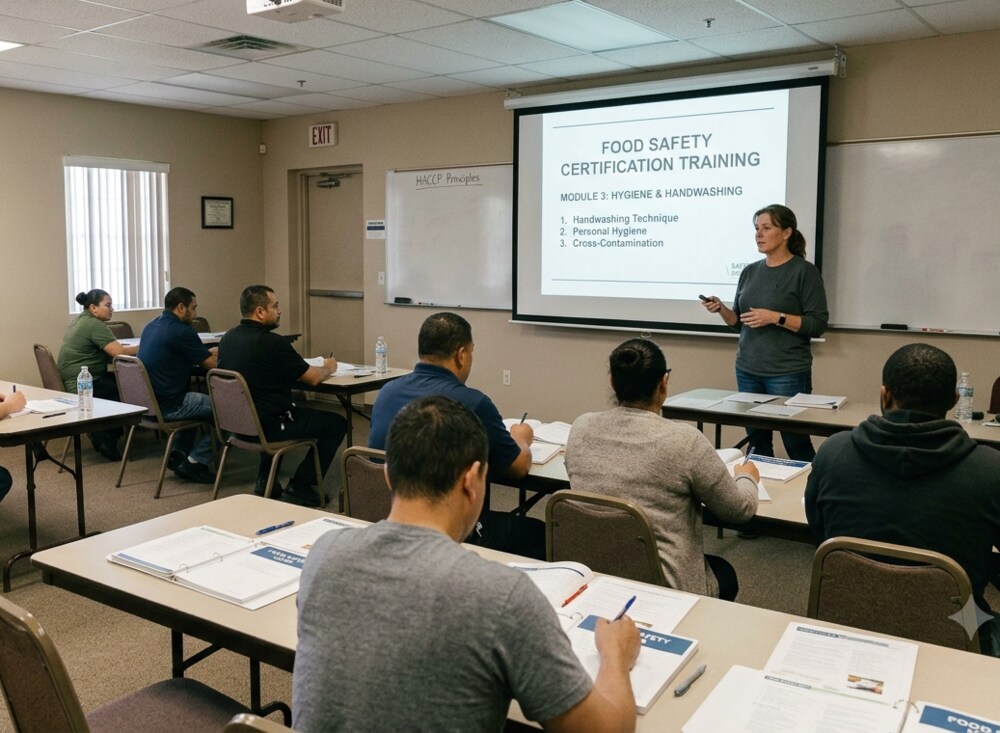
- A food safety certificate shows you have completed training in safe food handling, food hygiene and contamination prevention.
- Food safety training is commonly required for jobs in hospitality, catering, aged care, childcare and food retail.
- In a food safety course, you’ll learn practical skills such as temperature control, personal hygiene, allergen awareness and safe food handling procedures.
- Many food safety courses can be completed in just a few hours, making them a quick and valuable qualification for people entering the hospitality industry.
- A Food Safety Supervisor certificate is different from a standard food safety certificate and is designed for people responsible for overseeing food safety in a workplace.
If you’re applying for jobs in hospitality, catering, aged care, childcare or food retail, you’ve probably seen employers asking for a food safety certificate.
But what exactly is a food safety certificate, and do you actually need one before you can start work?
The short answer is: a food safety certificate shows you have completed training in safe food handling practices. It demonstrates that you understand how to prepare, store and serve food in a way that reduces the risk of contamination and foodborne illness.
For many hospitality workers, it’s one of the most useful entry-level qualifications you can have. In some workplaces, it may even be a requirement before you’re allowed to handle certain types of food.

What Is a Food Safety Certificate?
A food safety certificate is proof that you have completed training in food hygiene and safe food handling.
Also referred to as a food handling certificate or food handler certificate, the training teaches workers how to minimise food safety risks in commercial environments such as restaurants, cafés, pubs, catering businesses, bakeries, supermarkets and institutional kitchens.
While course content varies between providers, most food safety training covers the practical skills needed to keep food safe from the moment it arrives at a workplace through to the moment it is served to a customer.
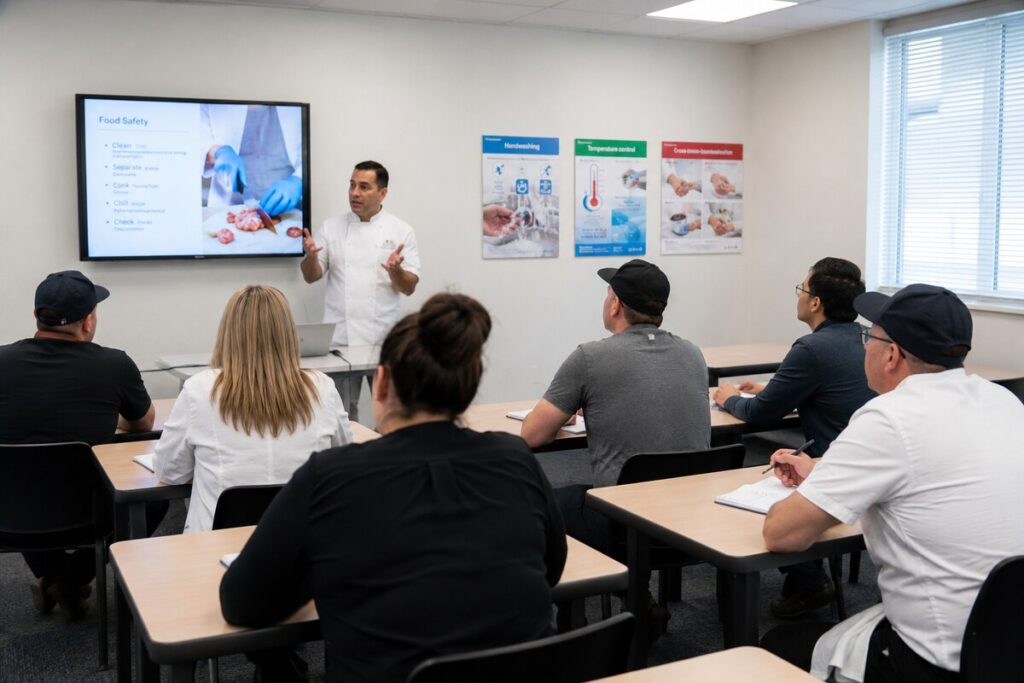
During the course, you’ll learn how contamination occurs, why temperature control matters, how bacteria can spread through poor hygiene practices, and what steps food handlers can take to reduce these risks.
In simple terms, a food safety certificate shows employers that you understand the basic responsibilities that come with handling food.

Why Are Food Safety Certificates Important?
Most people don’t think twice about ordering a meal at a café or grabbing a sandwich from a takeaway shop. They assume the food they’re buying is safe to eat.
Behind the scenes, however, food businesses must follow strict food safety standards to protect customers from foodborne illnesses.
Something as simple as storing food at the wrong temperature, using contaminated equipment or failing to wash hands properly can create serious health risks.
Food safety training helps workers recognise these risks before they become problems.
For employers, having trained staff can also help demonstrate compliance with Australia’s food safety requirements and reduce the likelihood of costly mistakes.
Do You Need a Food Safety Certificate to Work in Hospitality?
Not every hospitality role legally requires a food safety certificate, but having one can significantly improve your job prospects.
Many employers now prefer applicants who have completed food safety training because it reduces the amount of workplace training required and gives them confidence that staff understand basic hygiene practices.
This is particularly true for jobs involving food preparation, food service or handling unpackaged food.
Australia’s food safety laws have also evolved in recent years, with new national requirements placing greater emphasis on food handler training and food safety supervision in businesses that handle higher-risk foods.
As a result, food safety qualifications are becoming increasingly common across the hospitality industry.

How Do You Get a Food Safety Certificate?
Getting a food safety certificate is usually a straightforward process, and many courses can be completed in just a few hours.
The exact requirements may vary depending on the course and provider, but the process generally looks like this:
Choose a Food Safety Course
Start by selecting a recognised food safety course that suits your industry and career goals. Many hospitality workers complete entry-level food handler training, while supervisors and managers may require additional Food Safety Supervisor qualifications.
Complete the Training
The course will teach you the fundamentals of food safety, including personal hygiene, contamination prevention, safe food storage, cleaning procedures, allergen awareness and temperature control. Depending on the provider, training may be completed online, in person, or through a combination of both.
Pass the Assessment
Most food safety courses include an assessment to confirm you understand the concepts covered during the training. This may involve multiple-choice questions, written tasks, practical activities, or a combination of assessment methods.
Receive Your Certificate
Once you successfully complete the course and assessment requirements, you’ll receive a certificate or Statement of Attainment. You can then provide this to employers as evidence of your food safety training.
Keep Your Qualification Up to Date
While some food safety qualifications do not have a formal expiry date, employers and industry regulations may require refresher training from time to time. Staying current with food safety practices can help ensure your knowledge remains up to date and relevant to the workplace.
For many people looking to work in hospitality, cafés, restaurants, catering, aged care or childcare, obtaining a food safety certificate is one of the quickest ways to build industry-ready skills and strengthen their job applications.

What Jobs Benefit From Having a Food Safety Certificate?
If you’re planning to work in hospitality, chances are a food safety certificate will be useful at some point in your career.
People commonly complete food safety training before working as kitchen hands, café staff, restaurant workers, baristas, caterers, bakery assistants, deli attendants or food service workers in healthcare and aged care settings.
Even if a job advertisement doesn’t specifically mention food safety training, having the qualification can help your resume stand out from other applicants.
For someone trying to secure their first hospitality role, it can be a simple way to demonstrate initiative and industry knowledge.
What Will You Learn?
One of the biggest misconceptions about food safety training is that it’s all rules and regulations. In reality, most courses focus on practical situations that food workers encounter every day.
You’ll learn why proper handwashing matters, how cross-contamination occurs, what temperatures food should be stored at, and how cleaning and sanitising differ.
You’ll also gain a better understanding of allergens, food poisoning risks and safe food handling procedures in busy commercial kitchens. These are skills that can be applied immediately in almost any hospitality workplace.
Is a Food Safety Certificate the Same as a Food Safety Supervisor Certificate?
Not quite. A food safety certificate is generally designed for workers who handle food as part of their role.
A Food Safety Supervisor certificate goes a step further and is intended for people who are responsible for overseeing food safety practices within a business.
Many cafés, restaurants and catering businesses are required to have a qualified Food Safety Supervisor on staff.
If you’re starting out in hospitality, a standard food safety course is usually the best place to begin. As you move into supervisory or management roles, additional Food Safety Supervisor training may become relevant.
How Long Does It Take to Get a Food Safety Certificate?
The exact duration of a food safety training course depends on the qualification and training provider. Some introductory food safety courses can be completed in a few hours, while nationally recognised training programs may take longer and include practical assessment requirements.
Once you’ve successfully completed the training and assessment requirements, you’ll receive a certificate or Statement of Attainment that can be used when applying for jobs.
Frequently Asked Questions
How much does a food safety certificate cost?
Prices vary depending on the Australian RTO and the level of training, but basic food handler courses are generally pretty affordable. Entry-level courses can cost anywhere from $70 to $100+. Food Safety Supervisor qualifications tend to cost more because they cover additional material and assessment requirements.
Is my food safety certificate valid in all Australian states?
Nationally recognised qualifications are accepted across Australia, but some states layer their own additional requirements on top of that. New South Wales, Victoria, Queensland and Western Australia each have slightly different rules around food handler training and Food Safety Supervisor obligations.
Before you enrol in a course, check the food safety regulations for the state you’re planning to work in. It’s also worth double-checking with the employer directly, as some businesses have their own training preferences or requirements that go beyond the legal minimum.
Can I start working in hospitality before I get my certificate?
In many cases, yes. Not every hospitality role requires you to have a certificate before your first shift. Some employers will hire you and give you a set window to complete the training, sometimes two to four weeks, depending on the business and the type of food being handled.
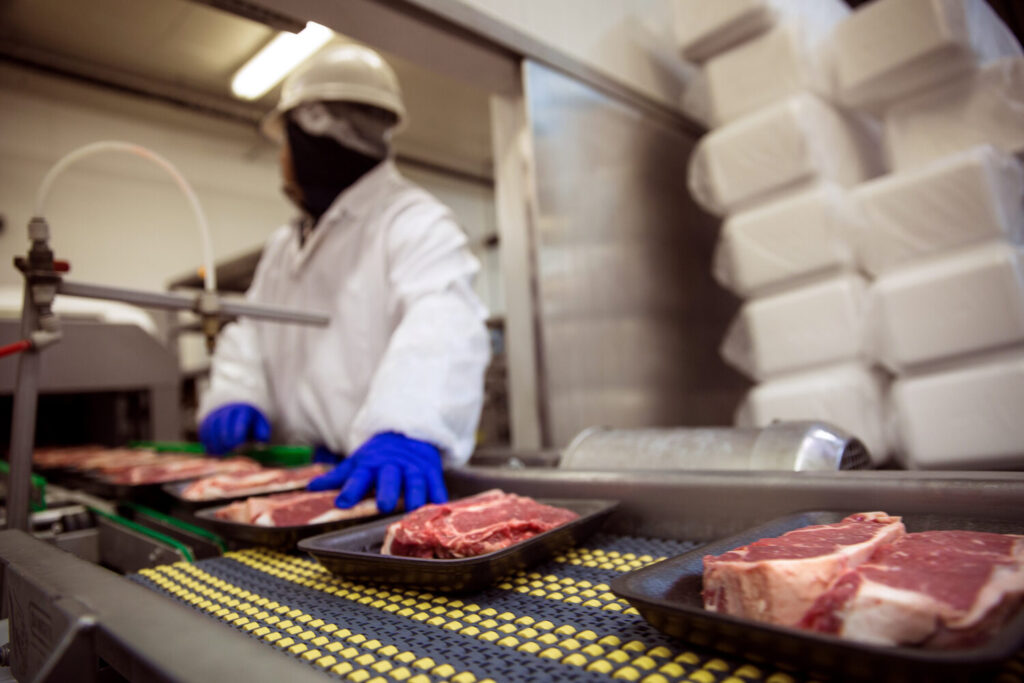
That said, having it done before you apply puts you ahead of candidates who don’t, and it removes a potential sticking point during the hiring process. For roles involving higher-risk food handling, like raw meat, seafood or food prepared for vulnerable people in aged care or childcare settings, some workplaces will want the certificate sorted before you start.
Will my employer pay for my food safety training?
Some do, some don’t, and it really comes down to the type of business and how they hire. Larger hospitality groups, hotel chains and institutional food service operators are more likely to cover the cost, particularly when they’re onboarding multiple staff members at once.
For casual, part-time or entry-level roles at smaller cafés and restaurants, you’ll more often need to pay by yourself. The good news is that food safety courses are generally inexpensive compared to most industry qualifications, and the cost is usually tax deductible once you’re working in the industry. Think of it as a small upfront investment that makes your resume a lot more competitive.
Do I need to redo my training if I change jobs or take a break from the industry?
There’s no single rule that applies across the board. Many food safety certificates don’t carry a formal expiry date, but that doesn’t mean every employer will accept an older one without question. After a significant break from the industry, say a year or more, some employers will prefer to see something more recent, or at least ask you to complete internal training before you start handling food.
It’s also worth keeping in mind that food safety guidelines and regulations can be updated over time, so what you learned three or four years ago might not fully reflect current standards. A refresher course after a long break is a smart move, both for your own confidence and to signal to employers that your knowledge is current.
Enrol in a Hospitality Course Near You
If this got you thinking about a career in hospitality, that’s your sign to do something about it. HCA has courses designed for real people with real schedules, whether you’re just starting out or looking to move up in the industry.
You’ll get practical, industry-relevant training that actually prepares you for the job. Just the skills employers are looking for right now. Ready to take the next step? Browse our courses at hca.edu.au and find one near you.